IMD Weather Alerts: What Green, Yellow, Orange and Red Alerts Mean
IMD uses four colours for weather warnings, but many people are unsure what a yellow, orange or red alert asks them to do. A plain guide to reading the alerts and planning your day.
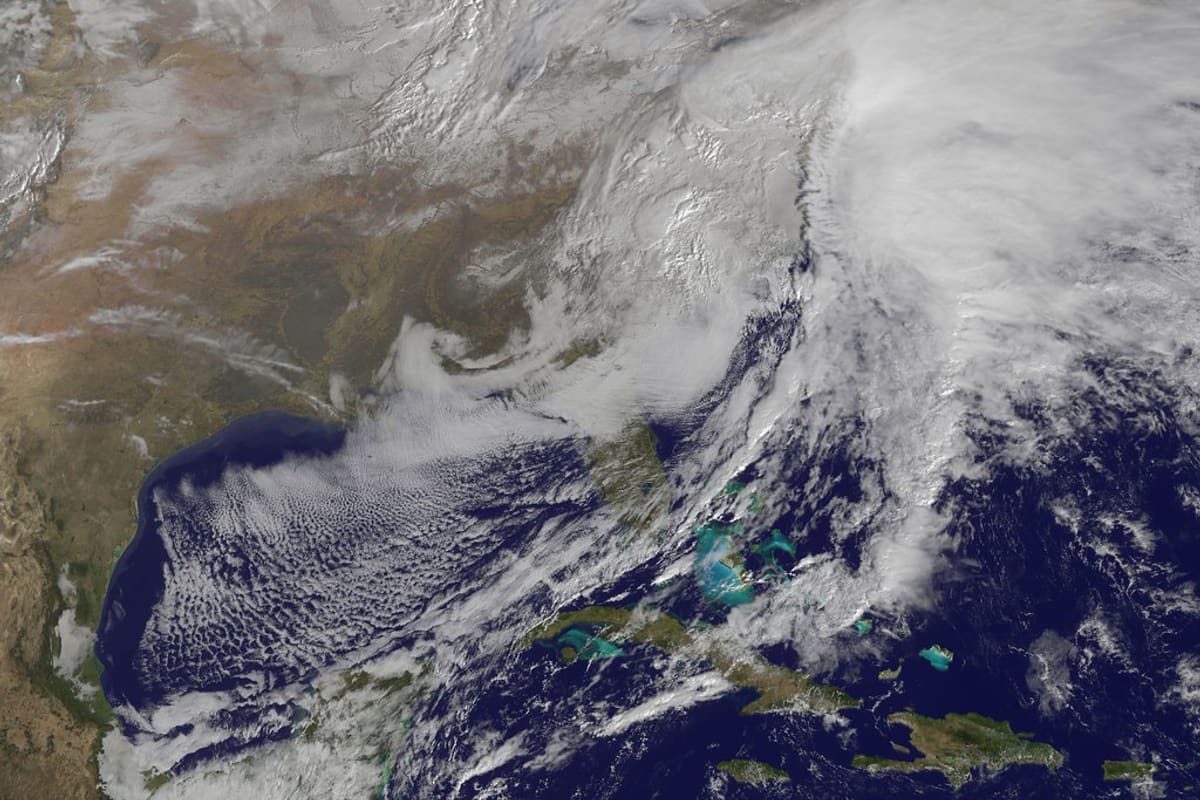
Satellite Views Powerful Winter Storm Battering Mid-Atlantic and New England. Photo: NASA Goddard Photo and Video via flickr, CC BY 2.0.
During the monsoon, heatwaves and cyclone season, news reports and phone notifications often mention a "yellow alert" or a "red alert" for a district. The India Meteorological Department (IMD) uses a colour-coded system so that people can quickly judge how serious the expected weather is and what they should do. The colours are simple, but they are easy to misread.
Green: no warning
Green means no significant weather is expected. Normal activities can continue. It does not promise a perfect day, as there may still be light rain or a warm afternoon, but nothing unusual is forecast.
Yellow alert: be aware
Yellow is a watch-and-stay-updated signal. Weather could become severe over the coming days, or bad weather may affect some areas for a short time.
- Check the forecast again before travelling.
- Carry an umbrella, water or other basics depending on the season.
- Follow local news or official updates in case the alert is upgraded.
Orange alert: be prepared
Orange means severe weather is likely and could disrupt daily life through waterlogging, road closures, power cuts or dangerous heat.
- Reconsider non-essential travel, especially at night or through low-lying areas.
- Charge your phone and a power bank; keep a torch handy.
- Store drinking water and essential medicines for a day or two.
- Secure loose items on balconies and rooftops.
- Make sure elderly relatives and neighbours know about the alert.
Red alert: take action
Red is the highest level. Very severe weather is expected and there is a real risk to life and property. Authorities may close schools, suspend transport or order evacuations.
- Follow instructions from the district administration and disaster management authorities.
- Stay indoors unless told to move to a safer place.
- Avoid rivers, drains, underpasses, the coast and hillsides prone to landslides.
- Keep emergency numbers ready. The national emergency number 112 works across India.
Alerts can change quickly
Weather warnings are updated several times a day. A yellow alert in the morning can become orange by evening, and alerts are usually issued district by district, so a neighbouring area may show a different colour. Check the date and time on any alert you read, and prefer official sources such as the IMD website, the Mausam app or your state disaster management authority over forwarded screenshots.
Build a small emergency habit
You do not need to panic at every alert, but a few simple preparations make any warning easier to handle: a saved list of emergency contacts, a small first-aid kit, copies of important documents in a waterproof pouch and a plan for where your family would meet if phones stopped working.
Frequently asked questions
Is an orange alert more serious than a yellow alert?
Yes. The order from least to most serious is green, yellow, orange and red. Orange means you should prepare for disruption; yellow means keep watching.
Are schools closed during a red alert?
Not automatically. Closures are decided by the state government or district administration, which usually announces them separately. Check official announcements rather than assuming.
Where can I see the latest IMD alert for my district?
The IMD website and the government's Mausam app show district-wise warnings. Many state disaster management authorities also post them on their official social media accounts.
Reading an alert in one glance
Green is normal, yellow asks you to stay updated, orange asks you to get ready and red asks you to act on official instructions. Check the time the alert was issued, trust official sources over screenshots and keep a few basics packed. With that, bad weather rarely catches you off guard.