Your Credit Score Explained: What Affects It and How to Improve It
Banks check your credit score before approving a loan or credit card. Here is what the number means, which habits push it up or down, and how to fix errors in your credit report.
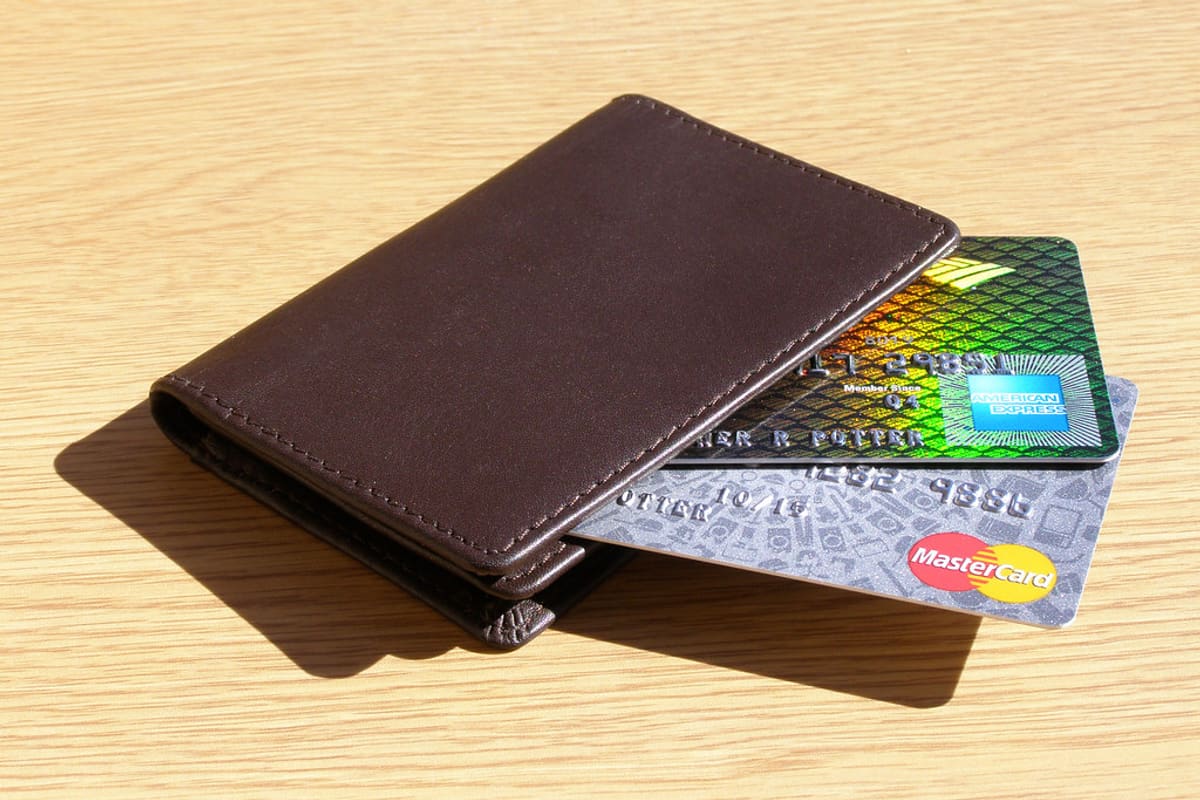
Credit Cards In Wallet 1. Photo: ccPixs.com via Flickr, CC BY 2.0.
Apply for a home loan and the bank may ask about a credit card you closed years ago, or an EMI that was paid a week late. It is not being nosy. It is reading your credit report, a record of how you have borrowed and repaid over time. The three-digit number drawn from that record, the credit score, now shapes whether you get a loan, how fast it is approved and sometimes the interest rate you are offered.
The good news is that a credit score is not a mystery. It follows your own behaviour, and you can see and improve it.
Who keeps the record
In India, credit information companies licensed by the Reserve Bank of India collect data from banks and lenders. The best known is TransUnion CIBIL, which is why many people say "CIBIL score" for any credit score. Experian, Equifax and CRIF High Mark are the others. Each keeps its own report on you, so your scores can differ slightly between them.
Scores generally run from 300 to 900. Higher is better. Lenders set their own cut-offs, so there is no single magic number, but a score in the mid-700s or above is usually seen as healthy.
A person who has never taken a loan or card may have no score at all. That is not a bad score; it simply means there is nothing to judge yet.
What pushes the score up or down
Paying on time
This matters more than anything else. Every EMI and credit card bill paid on or before the due date builds a good record. A payment that is 30, 60 or 90 days late is reported and stays visible for years. Even one small overdue amount on a forgotten card can pull the score down.
How much of your limit you use
If your cards together have a limit of one lakh rupees and you regularly carry balances of ninety thousand, you look stretched, even if you pay in full. Using a smaller share of the limit, many lenders suggest keeping it well under a third, tells the system you are not dependent on credit.
How long you have had credit
An older, well-managed account helps. This is why closing your oldest credit card is not always a good idea, especially if it has no annual fee.
The mix of credit
A combination of secured loans (home, vehicle, gold) and unsecured credit (cards, personal loans) handled responsibly looks better than only one type. You should never take a loan just to improve the mix, though.
Too many applications
Each time you apply for a loan or card, the lender makes a hard enquiry on your report. Several applications in a short period suggest you are hunting for credit. Checking your own score is a soft enquiry and does not hurt it.
Settled is not the same as closed
When someone cannot repay fully, a lender may agree to accept a smaller amount and mark the account "settled". It ends the dispute, but future lenders read "settled" as a loss to the earlier lender. Where possible, repaying the full dues so the account shows "closed" is much better for your record.
Also remember that if you co-sign or stand as guarantor for someone else's loan, their missed payments can show up on your report too.
Get your free report and read it
RBI rules require each credit information company to give you one free full credit report every year on request. Request it directly from the bureau's official website. You will usually need your PAN and some identity details. Avoid third-party links that promise a free score but ask for unusual permissions or payment.
When you have the report, check:
- Your name, date of birth, PAN and addresses.
- Every loan and card listed, and whether each one is really yours.
- Payment history, especially any months marked late.
- Accounts you closed that still show as active or with a balance.
Fixing mistakes
Errors do happen: a loan you repaid still showing dues, an account you never opened, a duplicate entry. Raise a dispute on the bureau's website with supporting documents such as a no-dues certificate. The bureau checks with the lender and corrects the record if the lender confirms the error. It is also worth writing to the lender directly so the correction is made at the source.
An account you do not recognise at all can be a sign that someone has used your identity. Contact the lender immediately and consider reporting it at cybercrime.gov.in.
Building a better score, step by step
- Set up auto-debit or reminders for every EMI and card bill.
- Pay the full card statement amount, not just the minimum due.
- Spread spending across cards or ask for a higher limit instead of maxing out one card.
- Space out loan and card applications.
- If you have no credit history, a small card, or a card secured against a fixed deposit, used lightly and paid on time, is a gentle start.
Scores respond to new behaviour over months, not days. Anyone promising to "clean" your CIBIL overnight for a fee is selling something you cannot buy; only accurate corrections and time actually change a report.
Frequently asked questions
Does checking my own credit score lower it?
No. Checking your own score through a bureau or a trusted app is a soft enquiry. Only lenders' enquiries made when you apply for credit count as hard enquiries.
How long does a late payment stay on my report?
Payment history is kept for several years, so an old late payment remains visible. Its effect fades as newer, on-time payments build up after it.
Can I get a loan with a low credit score?
Sometimes, but usually with a higher interest rate, a smaller amount or a need for collateral. Improving the score first often saves more money than it costs in waiting.
The short version
Pay on time, keep balances low, apply sparingly and read your report once a year. For decisions on large loans or debt problems, a conversation with your bank or a qualified financial adviser can help you plan the next step.