Safe Online Shopping: How to Spot Fake Websites and Too-Good-to-Be-True Deals
Fake shopping sites copy real brands, run flashy ads and vanish after taking your money. Learn the warning signs, safer ways to pay and what to do if an order never arrives.
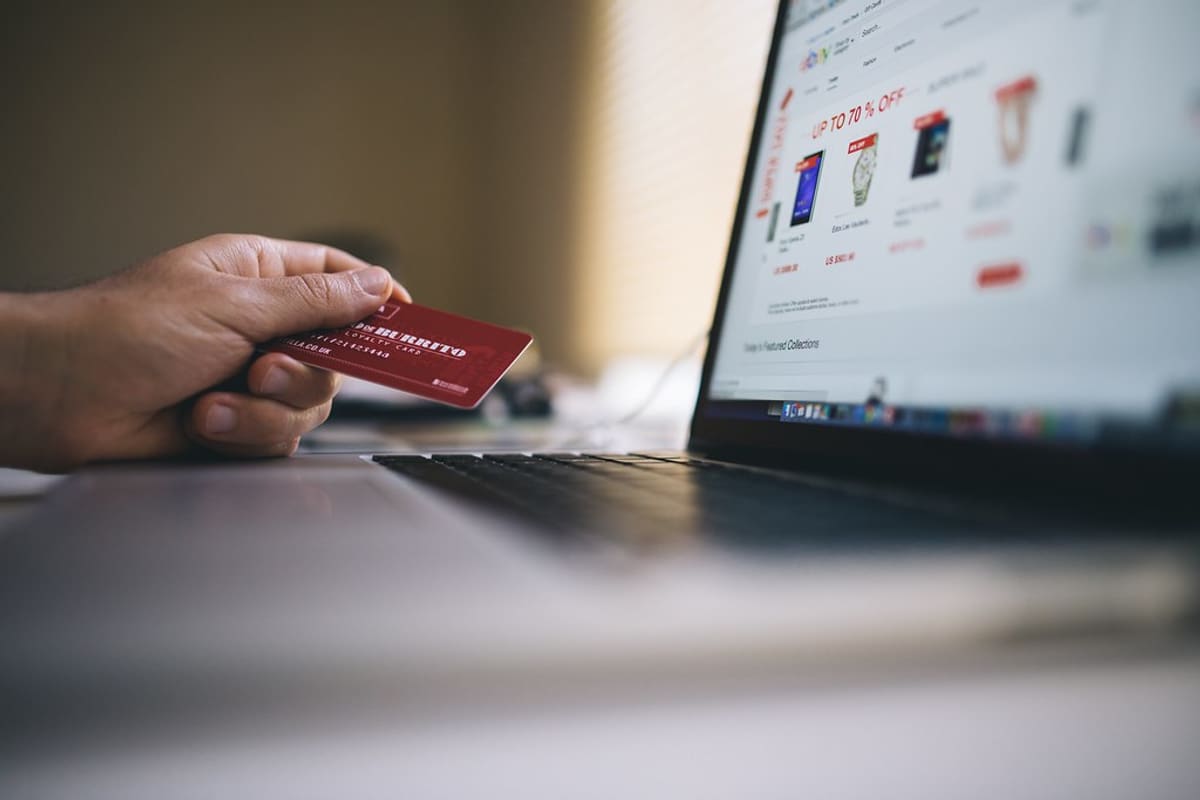
Working macbook computer keyboard - Credit to https://homegets.com/. Photo: homegets.com via Flickr, CC BY 2.0.
The ad looks perfect: branded sneakers at seventy percent off, a countdown timer, "only 3 left", a smiling model. You tap, the site loads quickly and the checkout is smooth. Then the parcel never arrives, or a cheap copy turns up, and the customer care number rings forever. With the festive sale season around the corner, fake shopping sites and social media ads are at their busiest.
Most of these traps share the same features. Learning them takes a few minutes and can save you a lot of money and frustration.
Why fake shops work
Scammers do not need to hack anything. They build a site that looks like a real store, copy product photos from genuine brands and pay for ads on social media and search engines. Their only goal is to collect payments quickly before complaints pile up, then shut down and open again under a new name.
Because the site looks professional, people assume it must be real. The clues are in the details.
Check the web address carefully
- Look at the full address in the browser bar, not just the logo on the page. Fakes use names that differ by a letter or add words, such as a brand name followed by "sale", "outlet" or "official-store".
- Be wary of unusual endings to the domain name, or long strings of random words and numbers.
- The padlock symbol only means the connection is encrypted. Fake sites have padlocks too, so it is not proof of honesty.
- If you want a brand's own store, type its address yourself or use its official app rather than tapping an ad.
Signs a deal is too good to be true
- Prices far below what every other seller charges, especially on phones, electronics, branded clothes and shoes.
- Constant pressure: countdown timers that reset, pop-ups saying someone just bought, "stock almost over" on every item.
- Only prepaid payment accepted, with cash on delivery mysteriously unavailable.
- Requests to pay via UPI to a personal ID, or to transfer money directly to a bank account.
- No clear return, refund or shipping policy, or policies copied word for word from another site with the wrong company name.
Look for a real business behind the site
A genuine seller tells you who they are. Scroll to the bottom of the page and look for a registered company name, a physical address, a working customer care number and an email address on the business's own domain rather than a free email service. Online sellers in India are expected to display seller details and a grievance contact.
Search the site's name along with the words "reviews", "scam" or "complaint". A shop with no presence anywhere except its own pages and a few social media ads deserves suspicion. Glowing reviews displayed on the site itself prove nothing, as they are easy to fake.
Social media shops and sellers
Many small, genuine businesses sell through Instagram, Facebook and WhatsApp, so a social media shop is not automatically fake. But be careful when an account is new, has comments turned off, shows only product photos with no real customers, or insists on full advance payment. Ask for a video of the actual product, check whether the account has a real history, and start with a small order if you want to try a new seller.
Pay in ways that give you protection
- Cash on delivery, or pay on delivery, is safest with an unfamiliar seller, though you should still inspect the parcel.
- Credit cards generally offer a way to dispute a charge through your bank if goods do not arrive.
- UPI and direct bank transfers are instant and hard to reverse, so use them only with sellers you trust.
- Never share an OTP with anyone who calls about your order. A real delivery does not need your OTP over a phone call; some deliveries use a code you give in person at the door, which is different.
- Avoid saving card details on sites you are using for the first time.
After you place an order
Keep screenshots of the product page, order confirmation, payment and any chats. Track the order only through the site or courier's official tracking page. Be careful of calls or messages saying your parcel is stuck and asking for a small "redelivery fee" through a link: this is a common trick to collect card details.
If something goes wrong
- If the seller is genuine but the product is wrong or faulty, use the platform's return or complaint process first.
- For unresolved consumer complaints, contact the National Consumer Helpline on 1915 or through its official website and app.
- If you have been cheated by a fake site, call the National Cyber Crime Helpline on 1930 and file a complaint at cybercrime.gov.in, then inform your bank or card issuer at once.
Frequently asked questions
How can I tell if a shopping website is real?
Check the exact web address, look for a registered business name, address and working contact details, search for independent reviews and complaints, and compare prices with established sellers. If several of these checks fail, shop elsewhere.
Is cash on delivery completely safe?
It protects you from paying for something that never arrives, but you can still receive a fake or empty parcel. Where the platform allows, open and check the parcel in front of the delivery person, and keep the packaging and bill.
I paid a fake website. Can I get my money back?
Report it immediately on 1930 and cybercrime.gov.in and contact your bank. Card payments can often be disputed with your bank; UPI and transfers are harder but reporting quickly gives the best chance of freezing the money.
Before you tap "buy"
Ask yourself three quick questions. Did I reach this site on my own, or did an ad bring me here? Is the price believable next to other sellers? Do I know who I will complain to if it goes wrong? If any answer makes you hesitate, the deal can wait.