Road Safety for Two-Wheeler Riders: Habits That Protect You Every Day
Scooters and motorcycles carry most of India's daily commuters, and riders have the least protection on the road. Practical habits on helmets, braking, monsoon riding and staying visible.
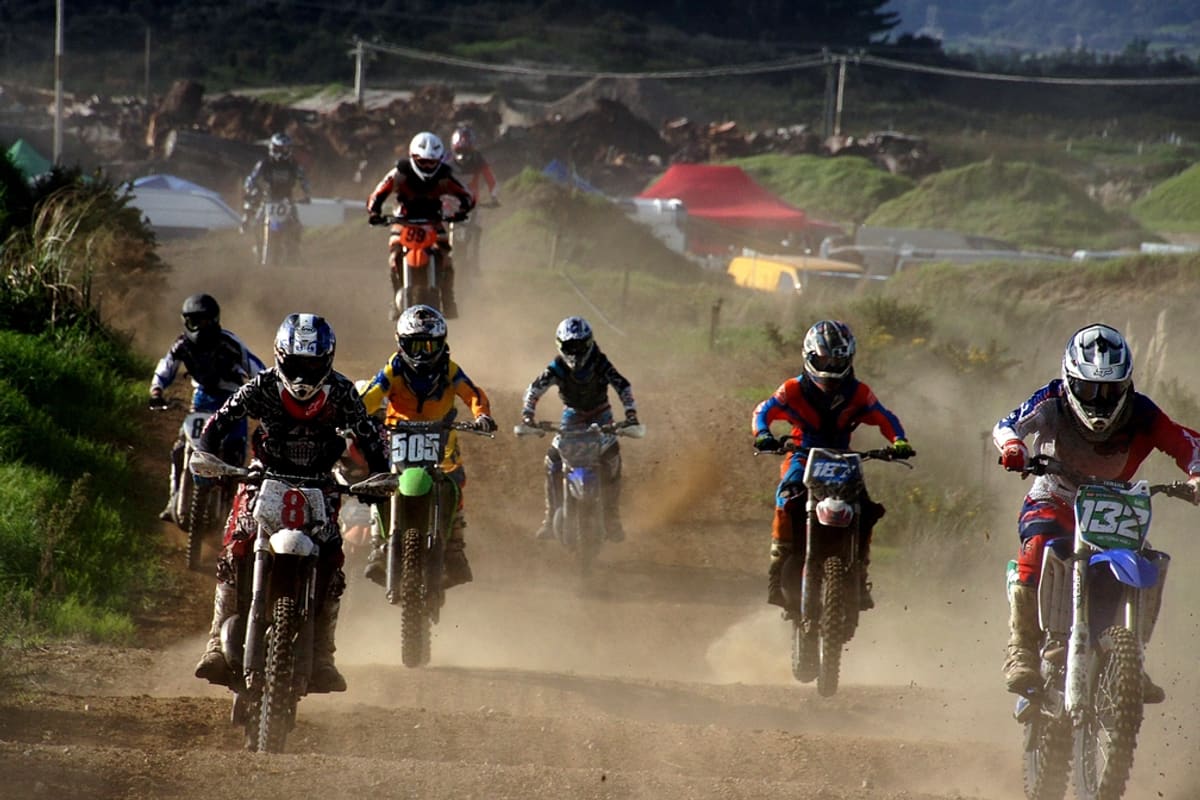
On a scooter or motorcycle, there is no door, no airbag and no seat belt between you and the road. What protects you is your gear, your machine and, above all, your habits. The riders who stay safe year after year are rarely the fastest or the most skilful. They are the ones who assume other people will make mistakes and leave room for them.
The helmet is not optional
A helmet is the most important piece of safety equipment a rider owns, and the law requires it for both the rider and the pillion. But a helmet only works if it is the right one, worn the right way.
- Buy a helmet with the ISI mark, which shows it meets the Bureau of Indian Standards specification for two-wheeler helmets. Cheap roadside helmets without it often crack or fly off in a fall.
- A full-face helmet protects the jaw and face as well as the head.
- It should fit snugly: when you move your head, the helmet moves with it rather than sliding around.
- Always fasten the chin strap. An unfastened helmet can come off before your head touches the ground.
- Replace a helmet after any serious impact, even if it looks fine. The inner foam may already be crushed.
Children riding along need a helmet that fits their head, not an adult's helmet that wobbles. Very young children are safest not riding on two-wheelers in traffic at all.
Dress for the fall, not just the weather
Sturdy shoes, full trousers and a jacket with long sleeves protect skin in a slide. Riding gloves improve grip and save your palms, which are the first thing most people put out when they fall. Loose dupattas, saree ends and scarves should be tucked away from the rear wheel and chain, a hazard that causes painful accidents every year.
Be seen
Many crashes happen because a car or truck driver simply did not notice the two-wheeler.
- Keep your headlight working and on, including during the day where your vehicle allows.
- Wear bright or reflective clothing, or a reflective strip on the helmet or jacket, especially at night.
- Stay out of the blind spots of buses and trucks: if you cannot see the driver's face in their mirror, they cannot see you.
- Signal every turn and lane change early, and look over your shoulder before moving.
Speed, space and braking
Most of the time, the danger is not the speed limit but riding too fast for the conditions: a narrow lane, a school gate, a crowded market. Keep a gap of at least two to three seconds from the vehicle ahead so you have time to react if it stops suddenly.
Use both brakes together. The front brake does most of the stopping on a two-wheeler, and using only the rear brake makes the vehicle skid more easily. Squeeze progressively rather than grabbing. If your vehicle has ABS or combined braking, it helps, but it does not remove the need for distance.
Be alert at junctions, where vehicles coming from the side or turning across your path cause many collisions. Slow down, cover your brakes and make eye contact with drivers where you can.
Riding in the monsoon
The first rains are the most dangerous, because oil and dust on the road turn into a slippery film. Painted road markings, metal manhole covers and wet leaves are especially slick.
- Reduce speed and double your usual following distance.
- Brake gently and earlier, and avoid sudden turns.
- Ride around puddles when it is safe to do so; they can hide deep potholes or open drains.
- Keep a rain suit with you, and avoid holding an umbrella while riding.
- After riding through deep water, test your brakes gently, because wet brakes grip less at first.
- If it is pouring and visibility is poor, pull over somewhere safe and wait.
Your phone can wait
Answering a call with the phone tucked into the helmet, glancing at a map or reading a message at a red light that turns green all take your attention off the road at the worst moment. Set navigation before you start and use voice directions at a low volume, or stop safely to check. Never ride after drinking alcohol or when you are very tired.
Look after the machine
- Check tyre pressure at least every couple of weeks, and replace tyres when the tread is worn.
- Test both brakes before a ride, and get them serviced if they feel soft or make noise.
- Make sure the headlight, tail light, brake light, indicators and horn all work.
- Keep the chain lubricated and properly adjusted.
- Fit both rear-view mirrors and adjust them before setting off.
Carry your papers
Keep your driving licence, registration certificate, valid insurance and pollution under control certificate up to date. Digital copies in official government apps such as DigiLocker or mParivahan are widely accepted. Make sure your insurance covers third-party liability at the very least, and consider personal accident cover for yourself.
If you see an accident
Call 112 or 108 for help and give the exact location. Indian law protects Good Samaritans who help accident victims in good faith, so you should not be harassed for stopping to assist. Do not remove the injured rider's helmet unless they cannot breathe, and do not move them unless there is immediate danger such as fire or traffic.
Riding home, every time
Every ride is a short trip that ends with you walking through your own front door. A fastened helmet, a working light, a little extra distance and a phone left in the pocket are small things, but together they make that ending far more likely.