Monsoon Flood Safety: What to Do Before, During and After Waterlogging
Heavy rain can turn streets into streams within an hour. A practical guide to preparing your home, moving safely through waterlogged areas and staying healthy once the water goes down.
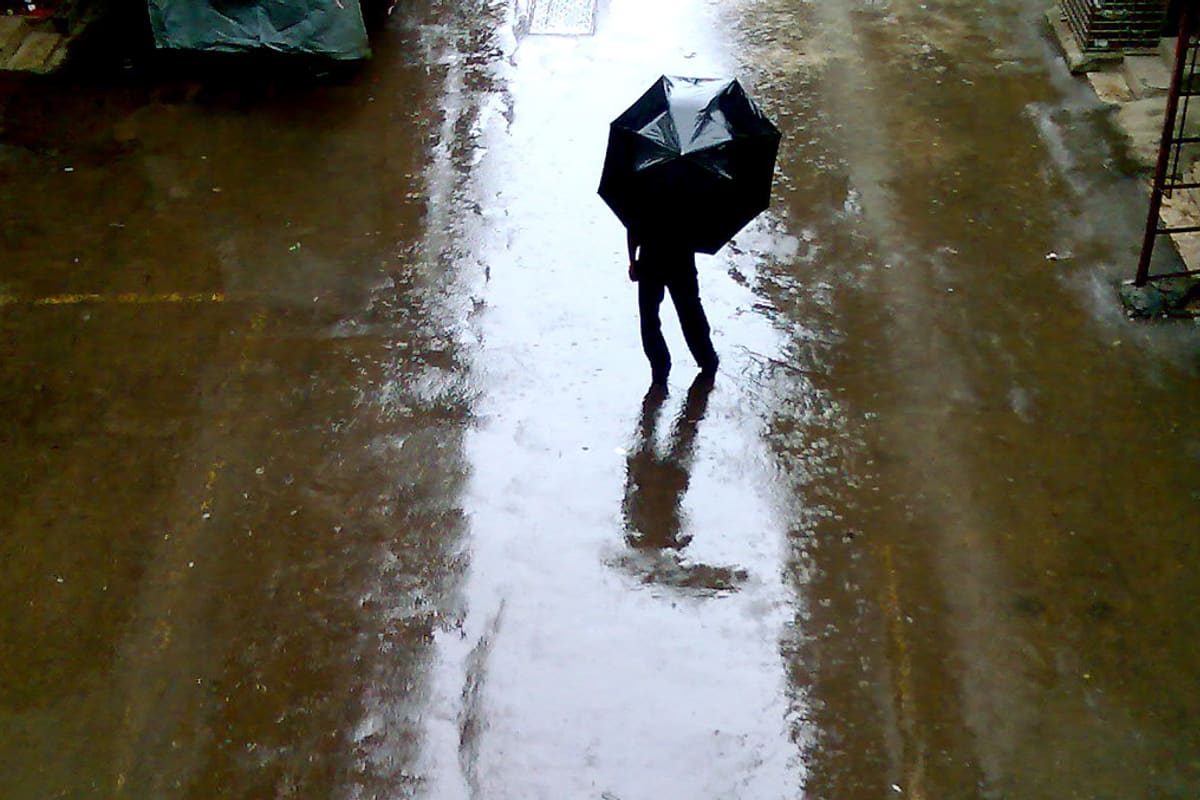
Dancing in the rain. Photo: Unlisted Sightings via Flickr, CC BY 2.0.
Every monsoon brings the same scenes: cars stalled in underpasses, shops pulling shutters down as water rises, families wading home through knee-deep streets. In many towns, waterlogging after a heavy downpour is so familiar that people stop seeing it as a danger. Yet flood water hides open drains, loose wires and fast currents, and it carries infections for days after it recedes.
A little planning before the rains, and a few firm rules when the water arrives, keep most of that risk away.
Before the heavy rains
Know your area
Some neighbourhoods flood every year because of low ground, blocked drains or a nearby river or nullah. Ask neighbours which roads go under water first, and plan an alternative route to work, school and the nearest hospital. If you live in a basement or ground-floor flat in such an area, think about where you would go if water entered the house.
Prepare the house
- Clear the drains and gutters on your roof and around your building.
- Move important documents, certificates and jewellery to a high shelf, ideally in a sealed plastic pouch or box.
- Keep electrical appliances, extension boards and inverter batteries off the floor where possible.
- Note where the main electricity switch is so you can turn it off quickly.
- Store a few days of drinking water, dry food and regular medicines.
- Keep a torch, spare batteries, a charged power bank and a basic first-aid kit together in one bag.
Watch the forecast
The India Meteorological Department issues district-wise rain warnings, and state disaster management authorities and municipal bodies often share flood and waterlogging updates. A quick look each morning during heavy-rain spells helps you decide whether to travel, leave early or stay home.
When the streets start to fill
The most important rule is simple: avoid walking or driving through flood water whenever you can. It looks harmless, but you cannot see what is underneath it.
- Moving water is far stronger than it looks. Even water below the knee can sweep a person off their feet, and a small amount can float a car.
- Open manholes and uncovered drains are invisible under muddy water. If you must walk, use a stick to test the ground ahead.
- Stay well away from electric poles, transformers, fallen wires and streetlights. Water conducts electricity.
- Do not drive into underpasses or low bridges covered with water. Turn back and find another route.
- If your vehicle stalls in rising water, get out and move to higher ground if it is safe to do so.
- Keep children from playing in flood water or near swollen drains.
If you are stuck at the office or in a shop, it is often safer to wait for the water to drain than to push through it after dark.
If water enters your home
Turn off the main electricity supply before water reaches sockets, and do not touch switches or appliances with wet hands or while standing in water. Move family members, especially elderly people, children and anyone with limited mobility, to the highest part of the house. Take your emergency bag, documents and medicines with you.
If the authorities announce an evacuation for your area, follow it promptly and move to the shelter or relief camp they indicate. Lock your home, and do not go back to fetch belongings until you are told it is safe. For emergencies, the national number 112 connects you to police, fire and ambulance services.
After the water goes down
The period after a flood brings its own dangers, mostly from dirty water and damaged structures.
Stay safe while cleaning up
- Check for cracks, loose plaster or sagging ceilings before entering. If in doubt, ask for an inspection.
- Let an electrician check wiring and appliances before you switch the power back on.
- Wear rubber gloves and closed footwear while cleaning, and wash hands thoroughly afterwards.
- Throw away food that touched flood water, including sealed packets if they were soaked.
- Watch for snakes and insects that may have taken shelter in the house.
Protect your health
Flood water mixes with sewage, so drinking water can easily become contaminated. Boil water or use a reliable purifier until the supply is confirmed safe. Stagnant pools left behind are breeding grounds for mosquitoes, so empty coolers, buckets, tyres and pots around the house.
Diarrhoea, typhoid, jaundice, dengue, malaria and leptospirosis are all more common after floods. Leptospirosis in particular spreads through contact with water contaminated by animal urine, especially through cuts on the feet. If anyone in the family develops a fever, body ache, vomiting or loose motions in the weeks after wading through flood water, see a doctor and mention the exposure. Early treatment makes a real difference.
Help the neighbourhood, too
Floods are easier to handle together. Share verified updates in your building or colony group rather than rumours, check on elderly neighbours and people living alone, and report blocked drains, fallen trees or exposed wires to your municipal helpline. When everyone looks out for a few people nearby, very few are left stranded.