Inflation Explained Simply: What It Means for Your Household Budget
Why does the same grocery list cost more every year? A plain explanation of inflation, how it is measured in India and sensible ways to protect your family budget and savings.

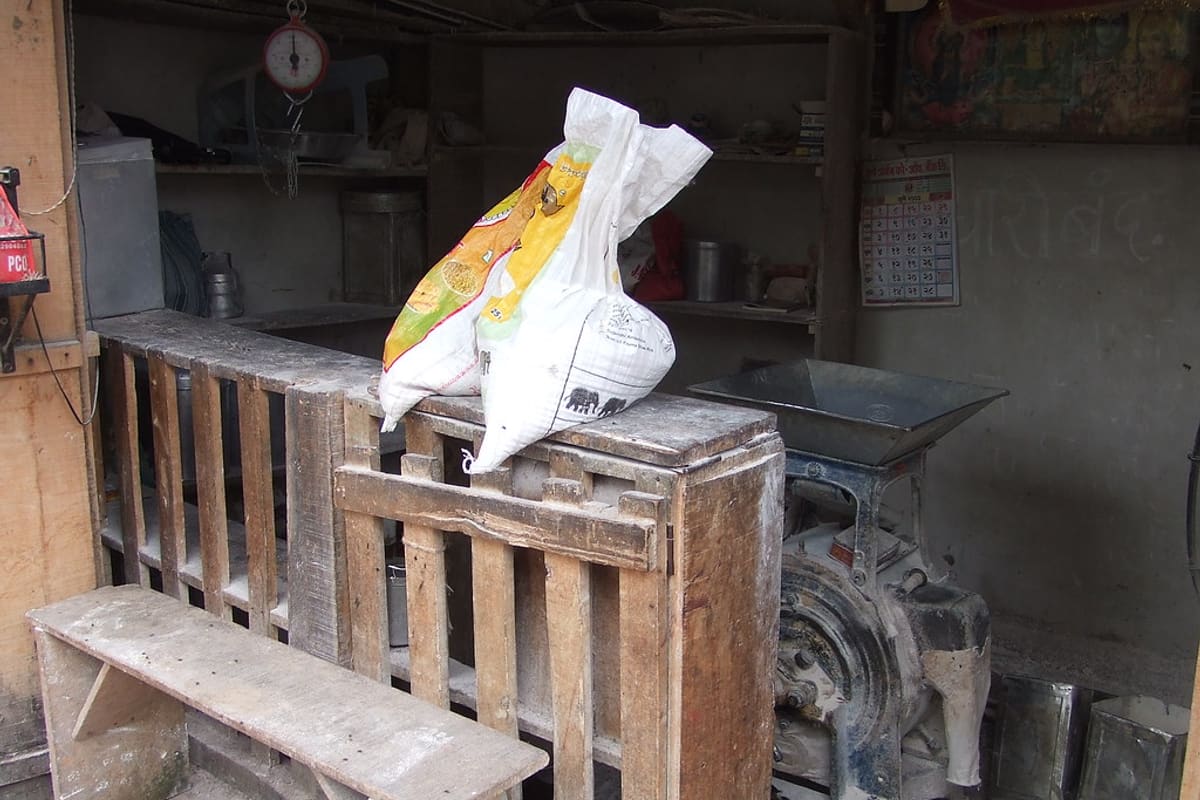
Orange & Green. Photo: VinothChandar via Flickr, CC BY 2.0.
Ask anyone older what a cup of tea or a bus ticket cost when they were young and you will get a smile and a number that sounds impossibly small. That slow, steady rise in prices over the years is inflation. It is not just a word from the business news. It quietly decides how far your salary stretches, what your savings will be worth in ten years and why the monthly grocery bill keeps creeping up even when you buy the same things.
What inflation actually is
Inflation is the rate at which the general level of prices rises over time. If inflation is 5 percent in a year, a basket of goods that cost 1,000 rupees last year costs about 1,050 rupees now. Put the other way round, the same 1,000 rupees buys a little less than before. Your money has lost some of its purchasing power.
A little inflation is normal in a growing economy. Problems begin when it is too high, because families struggle to keep up, or when prices actually fall for a long time, which can make businesses and shoppers hold back spending.
Why prices rise
There are a few common reasons, and usually several act together.
- Demand rises faster than supply: more people want something than there is available, so sellers can charge more.
- Costs go up: when fuel, raw materials, transport or wages become costlier, businesses pass some of that on in their prices.
- Weather and seasons: a poor monsoon, floods or a heatwave can push up the prices of vegetables, pulses and fruits sharply.
- Global events: prices of crude oil, edible oils and other imported goods depend on what happens in other countries and on the value of the rupee.
This is why onion or tomato prices can jump for a few weeks and then settle, while rents or school fees tend to rise year after year.
How India measures it
The figure you most often hear is based on the Consumer Price Index, or CPI. The National Statistics Office under the Ministry of Statistics and Programme Implementation publishes it every month. It tracks the prices of a large basket of items that households typically buy, including food, fuel, clothing, housing, health care and education, and compares them with the same month a year earlier.
The Reserve Bank of India uses CPI inflation to guide its decisions. Its target is to keep inflation around 4 percent, within a band of 2 to 6 percent. When inflation stays high, the RBI may raise its policy interest rate, which tends to make loans costlier and encourages saving, cooling demand. When inflation is low and growth is weak, it may cut rates.
Your inflation is not the national number
The official figure is an average across the whole country. Your family's experience can be quite different. If you spend a large share of your income on school fees, medicines or rent, and those have risen faster than the average, your personal inflation is higher than the headline. A retired couple with big medical expenses and a young family with school-going children feel price rises in very different ways.
A useful exercise is to compare your spending on a few regular items today with a year ago, using old bills or UPI history. It gives you a far more personal sense of how prices are moving for you.
What it does to your savings
This is the part many people miss. Suppose your savings account pays 3 percent interest and inflation is 5 percent. The balance grows, but what it can buy shrinks. The difference between the interest you earn and inflation is called the real return, and here it is negative.
Over short periods this does not feel like much. Over ten or twenty years it adds up. Money kept idle for a long-term goal such as a child's higher education or your retirement may buy much less than you expect when the time comes. That is why long-term goals usually need savings that at least aim to keep pace with inflation, while money for emergencies and near-term needs should stay safe and easy to access even if it earns less.
Every family's situation is different, so for decisions about where to invest, speak to a qualified, registered financial adviser, and be very wary of anyone promising high guaranteed returns.
Adjusting the household budget
- Review the budget every six months instead of setting it once. Costs change, and so should the plan.
- Separate essentials from wants, and trim the wants first when prices rise.
- Buy seasonal fruits and vegetables, which are usually cheaper and fresher.
- Compare unit prices, such as price per kilo or per litre, rather than packet prices. Shrinking pack sizes at the same price are a quiet form of price rise.
- Buy long-lasting staples in bulk when prices dip, if you have space to store them properly.
- Plan for annual increases in fees, rent and insurance premiums so they do not arrive as a shock.
- When your income rises, save part of the increase before spending adjusts to it.
Frequently asked questions
Is inflation always bad?
Not necessarily. Moderate, predictable inflation is a normal sign of a growing economy. It becomes a problem when it is high or unpredictable, because incomes and savings struggle to keep up.
If inflation falls, will prices come down?
Usually not. Lower inflation means prices are rising more slowly, not falling. Prices of some items, such as vegetables, can drop seasonally, but the overall price level rarely goes back down.
Why do salaries not rise as fast as prices?
Pay is usually revised once a year or less, while prices move every month. Some jobs and sectors see smaller raises than the rise in living costs, which is why households often feel squeezed even when the official figure looks moderate.
Thinking in real terms
Once you start thinking about money in real terms, what it can actually buy rather than the number on the screen, many decisions become clearer. A raise below inflation is a small cut in disguise, a savings account can lose value while growing, and a budget that is never revisited slowly stops working. Keeping an eye on those three things puts your family a step ahead of rising prices.