Heatwave Safety: How to Protect Yourself and Your Family in Extreme Heat
Extreme heat is more than discomfort. It can quietly overwhelm the body, especially in children and older people. Practical ways to stay cool, spot heat illness early and help someone in trouble.
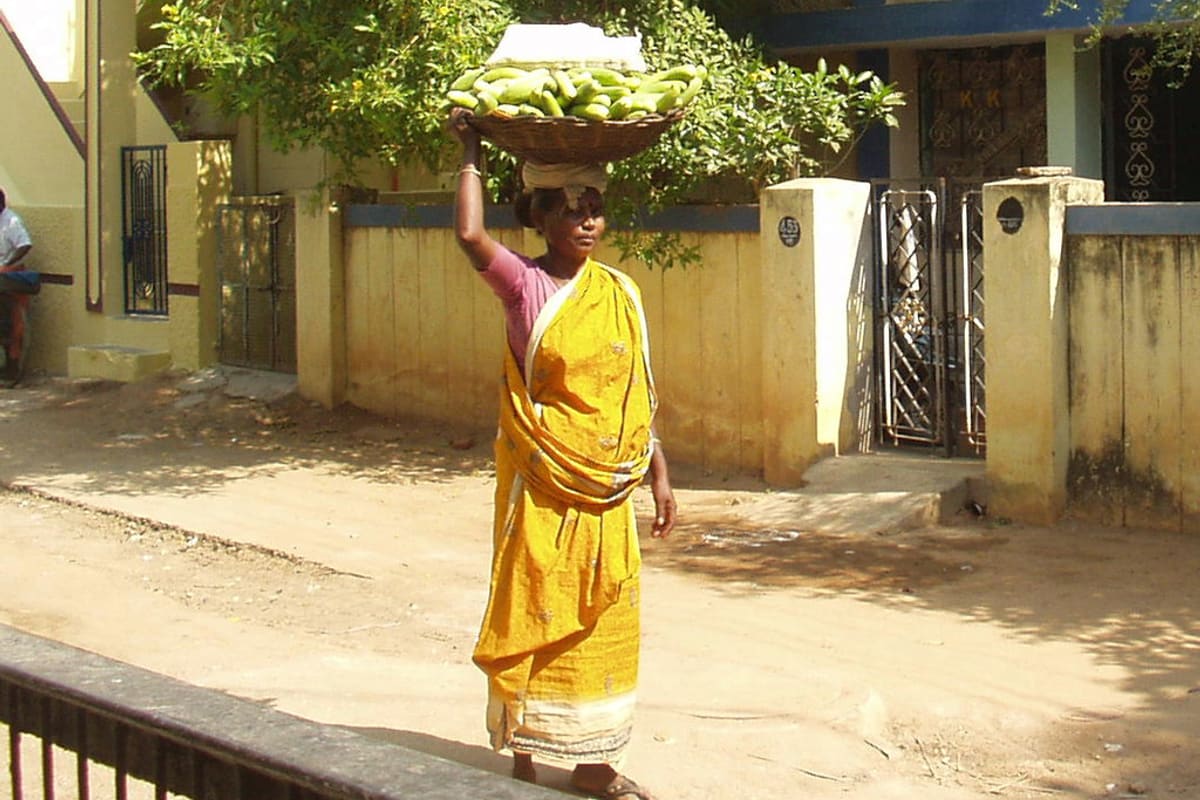
Cucumber Seller. Photo: Kamala L via Flickr, CC BY-SA 2.0.
By late May, many Indian cities spend day after day above forty degrees, and nights that barely cool down. Most of us grew up with hot summers and tend to treat them as something to be endured. But a heatwave is different from an ordinary warm day. When the body cannot shed heat fast enough, its temperature starts to climb, and that can turn serious in a matter of hours.
The good news is that heat illness is largely preventable. A few changes to routine, and knowing the early signs, go a long way.
Who is most at risk
Anyone can be affected by extreme heat, but some people have less margin for error:
- Babies and young children, who heat up faster and cannot always tell you they feel unwell.
- People over sixty, whose sense of thirst weakens with age.
- Pregnant women.
- People with heart disease, high blood pressure, diabetes or kidney problems, and those on medicines that affect fluid balance.
- Outdoor workers such as construction labourers, delivery riders, traffic police and street vendors.
- Anyone living in a room with a tin or asbestos roof and little ventilation.
If someone in your home falls into one of these groups, keep a closer eye on them during hot spells, and check on elderly neighbours who live alone.
Drink before you feel thirsty
Thirst is a late signal. By the time your mouth feels dry, you are already short on fluids. Keep a bottle of water within reach and sip through the day, even while sitting indoors.
Plain water is best for most people. When you are sweating heavily, you also lose salt, so traditional drinks like buttermilk, lemon water with a pinch of salt, coconut water and aam panna help. Oral rehydration solution (ORS), available at any chemist, is useful if someone has been sweating a lot or has loose motions. Tea, coffee, sugary soft drinks and alcohol do not hydrate well and are best kept to a minimum on very hot days.
If a doctor has told you to limit fluids because of a heart or kidney condition, ask them how to manage a heatwave rather than simply drinking more.
Plan the day around the sun
The hottest hours are usually from around noon to four in the afternoon. Wherever you can, shift errands, exercise and outdoor chores to early morning or evening.
- Wear loose, light-coloured cotton clothes that let sweat evaporate.
- Cover your head with a cap, dupatta, gamchha or umbrella when you step out.
- Carry water whenever you leave home, even for short trips.
- Take regular breaks in the shade if your work keeps you outdoors.
- Never leave a child, an elderly person or a pet in a parked vehicle, even for a few minutes with the windows slightly open.
Keep the house cooler
Homes trap heat during the day and release it slowly at night. Draw curtains or close shutters on windows that face the sun. Open windows in the early morning and late evening to let cooler air through. Wet towels or a damp cloth hung near a window can take the edge off hot air, and a bucket of water in the room helps a little in dry heat.
A cool bath or wiping the body with a wet cloth before sleeping makes a noticeable difference. If your home becomes unbearably hot, spending the afternoon in a cooler place, such as a relative's house, a temple, a library or a shaded public space, is a sensible choice, not an overreaction.
Learn the warning signs
Heat illness usually builds in stages. Catching it early is what matters.
Heat exhaustion
The person may have heavy sweating, cold and clammy skin, weakness, dizziness, headache, nausea, muscle cramps or a fast pulse. Move them to a cool, shaded place, loosen tight clothing, give sips of water or ORS and cool the skin with a wet cloth. If they do not improve within about an hour, or they start to vomit, get medical help.
Heat stroke
This is a medical emergency. Signs include a very high body temperature, confusion or strange behaviour, slurred speech, fainting, seizures, and skin that may feel hot and dry or still be sweating. Call for an ambulance straight away using 112 or your state's ambulance number, which is 108 in many states. While you wait, move the person somewhere cool, remove extra clothing and cool them fast by pouring or sponging water over the body and fanning them. Do not try to give fluids to someone who is confused or unconscious.
Look after the people who depend on you
Children should be dressed lightly and kept indoors during peak heat; watch for signs like unusual crankiness, fewer wet nappies or drowsiness. Older relatives may need a gentle reminder, and a glass placed in their hand, to keep drinking. Domestic workers, drivers and delivery staff who come to your door will appreciate a glass of cold water and a few minutes in the shade. Pets and birds need a shaded spot and a bowl of fresh water that is refilled often.
Weather forecasts from the India Meteorological Department (IMD) include heatwave warnings by district, and many state governments publish heat action plans with local advice. Checking the forecast in the morning helps you decide how to plan the day.
Frequently asked questions
What is the difference between heat exhaustion and heat stroke?
Heat exhaustion is the body struggling to cope, usually with heavy sweating, weakness and dizziness, and it often improves with rest, shade and fluids. Heat stroke is when the body's cooling system fails; the key sign is confusion or altered behaviour along with a very high temperature. Heat stroke needs emergency care.
Is it safe to drink very cold water after coming in from the heat?
Cool water is fine and helps bring body temperature down. Sipping steadily is better than gulping a large amount at once, which can cause discomfort.
Should I stop taking my medicines during a heatwave?
No. Do not stop or change any medicine on your own. Some medicines can affect how the body handles heat, so it is worth asking your doctor or pharmacist whether you need extra precautions.
Small habits for the hot months
A bottle in your bag, errands moved to the morning, curtains drawn by noon and a daily check on the most vulnerable person you know: these simple habits carry a family safely through most heatwaves. When in doubt about someone's condition, treat it seriously and seek help early.