Weekly Meal Planning for Indian Homes: Save Time, Money and Daily Stress
Deciding what to cook every single day is exhausting. A simple weekly meal plan, one shopping trip and a little weekend prep can cut food waste, grocery bills and the nightly question of what to make.
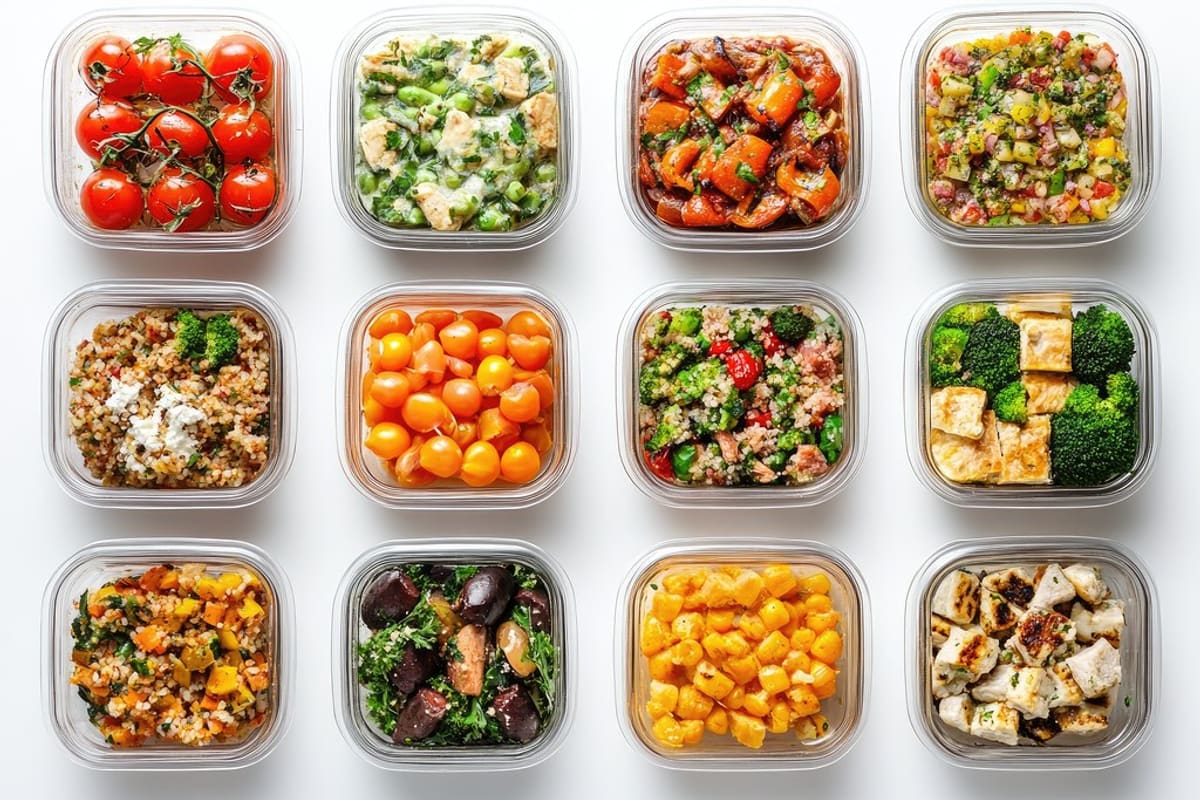
Meal Prep Mahlzeiten in durchsichtigen Behältern. Photo: ccnull.de Bilddatenbank via Flickr, CC BY 2.0.
The most tiring part of cooking is often not the cooking. It is the question that comes every afternoon: what do we make tonight? Then the discovery that there are no onions, the extra trip to the shop, the forgotten bunch of coriander going yellow in the fridge and, on some evenings, giving up and ordering food. Meal planning replaces those daily decisions with one short session each week.
It does not mean rigid menus or elaborate prep. A good meal plan is a flexible list of ideas that matches what is in your kitchen and what your week looks like.
Check your week before your recipes
Before thinking about food, look at the calendar. Which evenings will someone be home late? Is there a guest coming, a fast, a school event or a day when you know you will be too tired to cook? Plan quick meals such as khichdi, egg curry, upma or a one-pot pulao for the busy days, and save the dishes that need more time for relaxed evenings.
Plan five dinners rather than seven. That leaves room for leftovers, an unexpected invitation or a simple bread-and-omelette night. A plan with slack is much more likely to survive the week.
Shop your own kitchen first
Open the fridge, the vegetable basket and the storage shelves and note what needs using up. Half a cabbage, some paneer close to its date, the last cup of rajma, a packet of vermicelli bought for a recipe you never made. Build the first two or three meals of the week around these. This single step is where most of the money is saved, because food that is thrown away is money thrown away.
Build a simple rotation
Most Indian households already cook in a pattern, even if they do not call it that: a dal, a sabzi, roti or rice, perhaps a raita or salad. Instead of inventing new dishes, write a list of fifteen to twenty meals your family already enjoys and rotate through them. Some families find it helps to give days loose themes:
- One day for a rajma, chole or other legume dish.
- One day for a leafy vegetable such as palak, methi or a local saag.
- One day for a rice-based meal such as pulao, biryani or curd rice.
- One day for something quick like dosa from ready batter, paratha or a sandwich.
- One day for leftovers or a family favourite.
Themes make decisions faster without making meals boring, because the dish within each theme can change every week.
Plan breakfasts and lunches loosely
Dinner usually needs the most thought, but mornings benefit from a plan too, especially if tiffins need packing. Pick two or three breakfasts for the week, such as poha, idli and paratha, and make sure the ingredients are in stock. For lunches, dinner leftovers packed the night before are often the easiest option.
Make one clear shopping list
Once the meals are chosen, go through each one and write down what you do not already have. Group the list by where you buy things: vegetable vendor, kirana or supermarket, milk and dairy, and anything from a specialty shop. It makes the trip quicker and reduces impulse buys.
Buy leafy greens, coriander and soft fruit for the first half of the week, and hardier vegetables like carrots, cabbage, pumpkin, potatoes and onions for later. If you have a mid-week vegetable market or cart nearby, a small top-up trip for fresh greens works well.
Do a little prep, not a marathon
Weekend meal prep has a reputation for taking an entire Sunday. It does not have to. An hour of the right tasks saves many small efforts during the week:
- Wash, dry and store coriander, mint and green chillies so they last longer.
- Make ginger-garlic paste or a basic onion-tomato masala and refrigerate it in a clean, airtight jar.
- Soak and boil chana or rajma in bulk and freeze portions.
- Chop sturdy vegetables like beans and carrots for the next two or three days.
- Knead dough for the next day or two, or keep idli or dosa batter ready.
Cooked food and prepared bases keep only a few days in the fridge, so prep for about three days at a time and freeze anything you want to keep longer. Cool food before refrigerating it, and reheat it well before eating.
Keep the plan where everyone can see it
Write the week's meals on a sheet of paper stuck on the fridge, or in a shared note on the family phone. When the plan is visible, anyone who reaches home first can start the rice or soak the dal. It also saves the daily round of "what's for dinner?" questions from the rest of the household.
Adjust without guilt
Some weeks the plan will fall apart. Someone falls ill, it rains all week or you simply do not feel like eating what you planned. Swap days around, push a meal to next week and move on. Meal planning is a tool, not a test.
What changes after a month
After three or four weeks, most households notice fewer trips to the shop, less wilted produce in the bin and fewer last-minute food orders. Keep your old weekly plans. Before long you will have a collection of tried-and-tested weeks you can simply repeat, and planning will take ten minutes instead of thirty.