How to Host Guests at Home on a Budget (and Still Enjoy Yourself)
Festive visits and weekend guests do not have to strain your wallet. Practical ideas for planning food, space, comfort and small touches when hosting guests at home on a budget.

0228. Photo: Cia de Foto via Flickr, CC BY 2.0.
The festive months bring visitors. Relatives arrive for a few days, friends drop in for dinner and there is a pressure, sometimes unspoken, to lay out a feast. The warmth that guests remember, though, rarely comes from how much you spent. It comes from feeling welcome, well fed and comfortable. All of that is possible on a modest budget, with a little planning.
Decide the budget before the menu
It is easy to start with a menu and end up spending twice what you expected. Instead, decide first how much you can comfortably spend, including food, any extra groceries for a longer stay and small things like flowers or snacks. Then plan within that. Writing it down on paper or in a notes app makes it more real, and it helps to split it into food, household items and extras.
Plan a menu that stretches
A generous-looking table does not need ten dishes. Four or five well-made dishes, chosen so they complement each other, feel abundant.
- Build around one special dish, perhaps a biryani, a paneer curry or a festive sweet, and keep the rest simple.
- Rely on dishes that feed many at low cost: dal, rice, rajma, chole, khichdi, seasonal vegetables and rotis or puris.
- Buy vegetables that are in season. They are cheaper, fresher and taste better.
- Make one sweet at home, such as kheer, halwa or a simple ladoo, rather than buying boxes of mithai.
- A large pot of chai or a jug of nimbu pani or chaas is cheaper and often more welcome than bottled soft drinks.
If guests are staying several days, plan breakfasts too. Poha, upma, parathas, idli or bread and eggs are filling and inexpensive. Cooking extra dal or sabzi at dinner can form part of the next day's lunch.
Cook ahead and share the work
Hosts who spend the whole evening in the kitchen miss their own party. Choose dishes that can be made in advance: curries and dals often taste better the next day, and dough, chutneys and chopped vegetables can be prepared hours earlier. Keep the last-minute cooking to rotis, puris or a quick tadka.
Among family and close friends, it is perfectly normal to accept offers of help. If someone asks what they can bring, suggest something specific, like a dessert, a salad or a snack. Potluck dinners, where everyone brings one dish, are a relaxed and budget-friendly way to host a larger group.
Make space for everyone
Small flats can feel crowded quickly, but they can still be comfortable.
- Clear surfaces and move a few pieces of furniture against the wall to open up floor space.
- Borrow extra chairs or floor cushions from neighbours, or lay out a durrie and cushions for floor seating, which suits many gatherings.
- For overnight guests, a mattress on the floor with clean sheets and a pillow is perfectly fine. Air it in the sun the day before.
- Clear one shelf or a few hangers in a wardrobe so guests can unpack a little.
- Set out a fresh towel, a spare toothbrush and a charger in the guest area.
Keep a spot near the door for footwear and bags, so the entrance does not become a pile.
Small touches that cost very little
The details that make a home feel festive are often the cheapest.
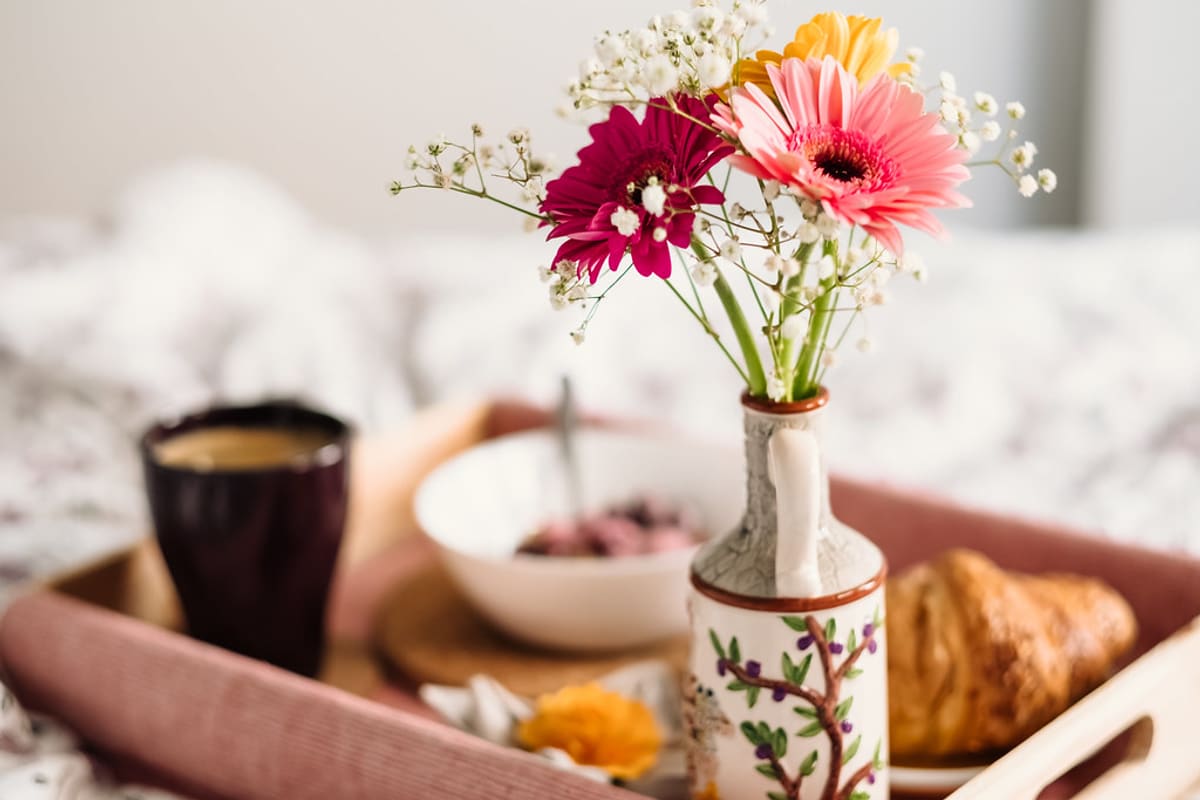
- Fresh flowers from the local market, or a few marigolds floating in a bowl of water.
- Diyas, candles or a string of lights you already own.
- A clean, simple table with matching plates or a runner made from a dupatta or sari.
- Music playing softly in the background.
- A handwritten note or a small sweet on a guest's pillow if they are staying over.
Serve smart
Serving buffet style lets guests help themselves, reduces waste and frees you from hovering over every plate. Keep portions on serving dishes moderate and top them up rather than piling everything out at once; leftovers stay fresh in the kitchen for the next meal. Use steel or regular plates rather than disposables where you can. They look better, and washing up can be shared.
Keep an eye on dietary needs. Ask in advance whether anyone is vegetarian, avoids onion and garlic, has diabetes or an allergy. A simple adjustment, like keeping one dish without onion or a sweet with less sugar, makes a guest feel genuinely thought of.
Don't forget the host
Hosting on a budget should not mean exhausting yourself. Cleaning the whole house top to bottom is not necessary; tidy the rooms guests will use, make sure the bathroom is clean and stocked and leave the rest. Plan some time to sit and talk. Guests would usually rather spend time with you than eat a fifth dish.
After the visit, wrap and share leftovers where suitable, and send guests off with a little food if they have a long journey. It is a small gesture that people tend to remember.
What people carry home
Long after the menu is forgotten, guests remember whether they felt at ease. A clear budget, a simple menu, a bit of cooking ahead and a few thoughtful touches are all it takes. The rest is the company, and that part costs nothing.