Long-Distance Train Travel in India: Tips for Booking, Packing, Safety and Comfort
Planning an overnight or multi-day train journey? Practical tips on booking, choosing berths, packing, food, safety and staying comfortable on long-distance Indian trains.
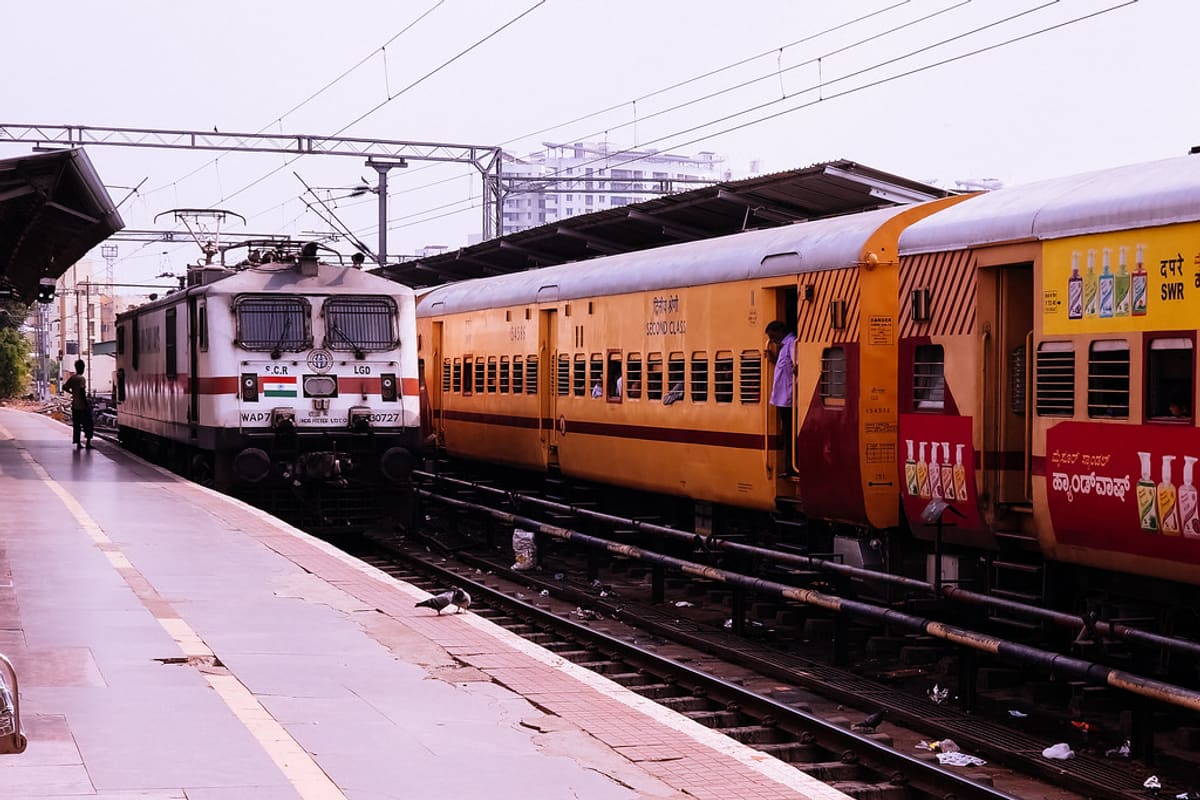
Locos chugging along. Photo: Ashwin Kumar via Flickr, CC BY-SA 2.0.
A long train journey is one of the most familiar parts of Indian life. Twenty or thirty hours across the country, meals from the pantry or a station platform, conversations with strangers who become friends by the second day. It can also be tiring, especially if the booking is uncertain, the bag is badly packed or you have not slept. A little preparation turns it into something much more comfortable.
Booking: plan early and check the details
Popular trains, particularly around festivals, school holidays and long weekends, fill up quickly. Reserved tickets can be booked through the official IRCTC website and app, at railway reservation counters, or through authorised agents. Book as early as the advance reservation window allows for peak dates. Indian Railways revises this window from time to time, so check the current period on IRCTC before planning.
- Compare trains on the same route. Some take several hours less, stop at fewer stations or arrive at a more convenient time.
- If a ticket is waitlisted, the app shows its status. Whether it is likely to confirm depends on the train, class and season, so do not count on it for important trips.
- Tatkal tickets open one day before the journey for last-minute plans. They cost more and sell out fast. Check the current timings and ID requirements on IRCTC, as rules for Tatkal are updated periodically.
- Enter each passenger's name and age exactly as on their ID. You may be asked to show an original photo ID during the journey.
- Senior citizens, women travelling alone and passengers with disabilities may be eligible for lower berth preferences or quotas. The booking form shows the options.
Use only the official IRCTC website and app, or authorised channels, for bookings and cancellations. Be cautious of calls or messages offering "confirmed tickets" for extra money.
Choosing the right class and berth
Each class has its trade-offs. Sleeper class is the most affordable but has no air conditioning and can be crowded. AC three-tier is a common middle option. AC two-tier offers curtains and a little more space, and AC first class has lockable cabins.
For berths, lower berths are easiest for older travellers and those with knee problems, but you share them as seats during the day. Upper berths give privacy and a place to rest at any time. Side berths are narrower and work best for one person travelling light.
Packing for a long journey
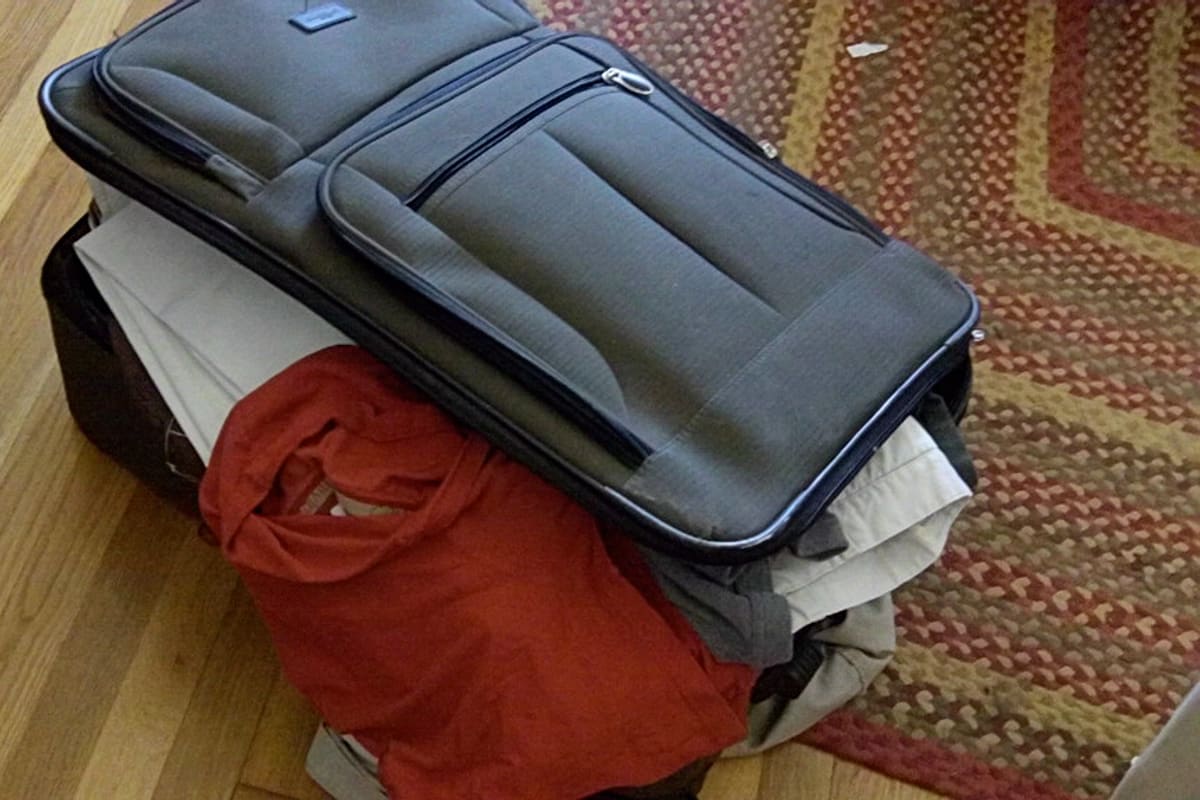
Space is limited, and you will need some things during the journey and others only at your destination. Split your packing accordingly.
- A main bag that goes under the seat, locked and ideally secured with a chain and small lock to the ring or hook under the lower berth.
- A smaller day bag with everything you need on board, so you do not open the main bag repeatedly.
In the day bag:
- Original photo ID and a printed or saved copy of the ticket.
- Medicines you take, plus basics for headache, acidity and motion sickness.
- A light shawl or jacket for cold AC coaches, and socks.
- A small pillow or inflatable neck pillow, and a thin bedsheet if you prefer your own.
- Water bottle, dry snacks, tissues, wet wipes and hand sanitiser.
- A power bank and charging cable, since charging points may be shared or not working.
- Earplugs and an eye mask for sleeping with lights and noise around you.
- Slippers for walking to the washroom.
AC coaches usually provide bedding, but it is worth checking for your train and class. Luggage allowances vary by class, and very large amounts may need to be booked separately. Check the current limits on the Indian Railways or IRCTC site if you are carrying a lot.
Food and water on board
Many long-distance trains have a pantry car, and you can often pre-order meals to be delivered at certain stations through the IRCTC e-catering service. Home food packed in steel containers is a popular choice for the first day. Choose dry items that keep well, such as theplas, parathas, puris and dry sabzi, and avoid anything with curd or cream that can spoil in heat.
Buy packaged water only from authorised stalls or on-board staff, and check that the seal is intact. Carry more water than you think you need, especially in summer.
Staying safe
- Keep valuables such as phones, cash and jewellery on your person or in your day bag, not in the main luggage.
- Do not accept food or drinks from strangers, however friendly they seem. Cases of drugged food have been reported over the years.
- Be extra alert at night and when the train halts at large stations, when theft is more common.
- Do not stand at the open door of a moving train or lean out.
- Share your train number, coach and berth with a family member and update them at key points.
If you face a problem on board, such as a medical need, a safety concern, unclean facilities or harassment, call the Indian Railways helpline 139 or use the RailMadad app or website. You can also approach the ticket examiner or Railway Protection Force staff on the train.
Comfort over many hours
Long journeys are easier if you treat them as a slow day rather than something to endure. Walk along the corridor every few hours to stretch your legs, drink water regularly and keep your seating area tidy. Being considerate helps everyone: keep phone calls short, use earphones for videos and lower your voice after lights out, which on most trains is expected around ten at night.
Frequently asked questions
What should I carry for a 24-hour train journey?
Your ID and ticket, medicines, water, snacks, a light shawl, a small pillow, a power bank, slippers and wipes. Keep these in a small bag separate from your main luggage.
Who do I contact for help during a train journey?
Call 139, the Indian Railways helpline, or file a complaint through RailMadad. The ticket examiner and RPF staff on board can also help with urgent issues.
Can I change my boarding station after booking?
Indian Railways allows boarding point changes in certain conditions. Check the current rules and deadlines on IRCTC, since they are applied through your booking.
Settling in for the ride
With a confirmed seat, a well-packed day bag and a little caution, a long train journey can be one of the more relaxing parts of a trip. Bring a book, look out of the window and let the country roll past.