Lip Care for Dry and Chapped Lips: What Helps and What Makes It Worse
Dry, peeling lips are rarely fixed by applying more flavoured balm. Why lips chap, which ingredients actually heal them, the habits that keep them cracking, and when a doctor should look.
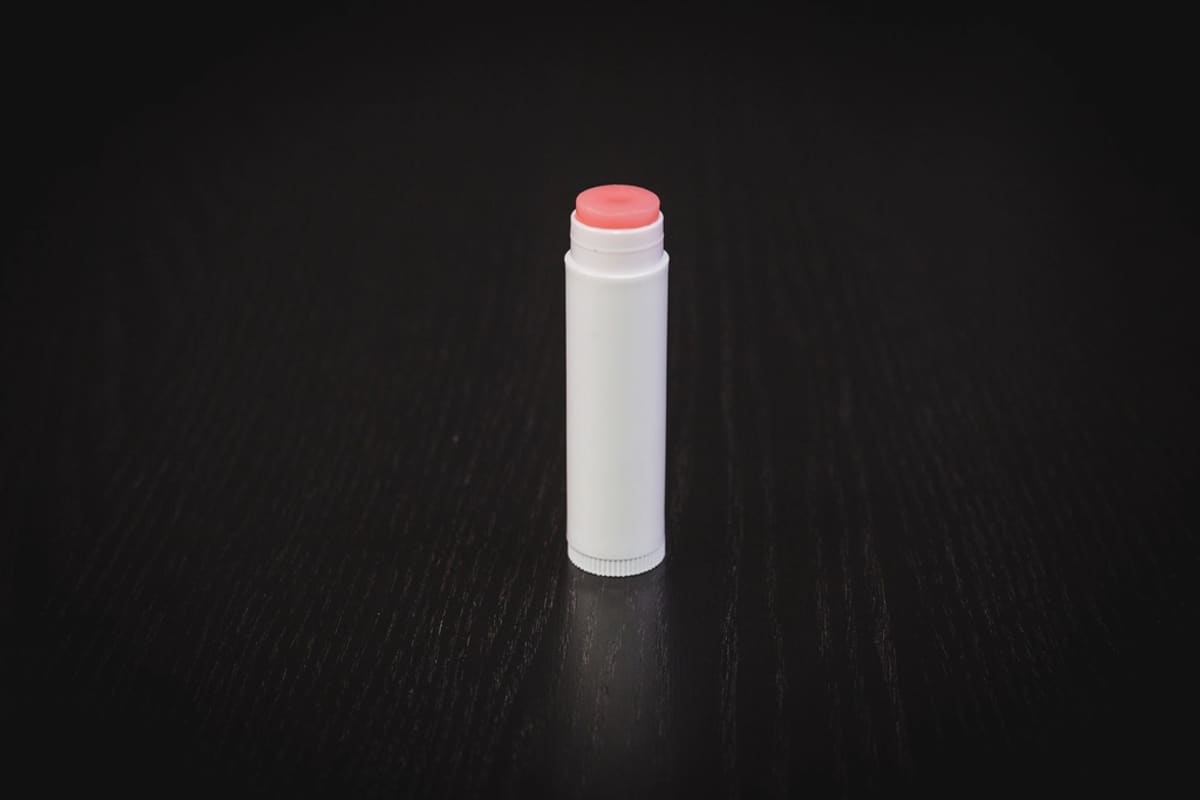
Some people carry a lip balm everywhere and still have dry, flaky lips. If that sounds like you, the problem may not be a lack of balm. It may be the balm itself, a habit you barely notice, or something in your toothpaste. Lips have their own quirks, and treating them well means understanding a few of them.
Why lips dry out so easily
The skin on your lips is thinner than the rest of your face and has no oil glands. It relies on moisture from saliva and the air and on a very thin protective layer. It is also constantly exposed to sun, wind, food and drinks. That is why lips are often the first place to feel dry in winter, in an air-conditioned office, on a long flight or after a day in the sun.
Habits that keep lips cracking
- Licking your lips. Saliva feels soothing for a second, then evaporates and takes more moisture with it. It also contains digestive enzymes that irritate the skin. This is the single most common reason lips stay chapped.
- Peeling or biting flakes. Pulling off dry skin often tears the fresh skin underneath and can cause bleeding and more flaking.
- Breathing through your mouth, especially at night, with a blocked nose or a fan blowing on your face.
- Long-wear matte lipsticks and liquid lipsticks, which many people find drying when worn day after day.
- Not drinking enough water in hot weather, although water alone rarely fixes chapped lips.
- Spicy, salty or sour foods, which can sting and irritate already damaged lips.
Choosing a lip balm that actually helps
A good balm protects the lips and keeps moisture from escaping. Ingredients that do this well include:
- Petrolatum, also called petroleum jelly or white soft paraffin, which forms a protective seal.
- Beeswax, shea butter, cocoa butter and plant oils such as coconut or sunflower oil.
- Ceramides and dimethicone, which help protect the surface.
- Glycerin or hyaluronic acid, which attract water, best used under a sealing ingredient.
Ingredients that often make things worse, especially on lips that are already sore, include menthol, camphor, eucalyptus and peppermint (the cooling, tingling feeling is actually irritation), strong flavours and fragrances such as cinnamon or citrus, and some dyes. If you find yourself reapplying a balm every half an hour, check the label for these; it may be keeping the problem going.
Plain, fragrance-free options are usually the most reliable. A small tub of petroleum jelly is inexpensive and works well for many people.
A simple routine for chapped lips
- During the day, apply a thin layer of balm whenever your lips feel dry, and always before going outdoors.
- Choose a balm with SPF for daytime. Lips burn and tan too, and sun can darken them over time.
- At night, apply a thicker layer of a plain balm or petroleum jelly before bed and leave it on.
- Drink water regularly, especially in hot weather and air-conditioned rooms.
- If your room is very dry, keeping a bowl of water near the AC or using a humidifier may help a little.
Should you exfoliate your lips?
Occasionally, and gently. If flakes remain once your lips have healed, soften them with balm for a few minutes and then rub very lightly with a soft, damp cloth. Sugar scrubs are popular, but scrubbing hard or often creates tiny tears. Never exfoliate lips that are cracked, bleeding or sore. Healing first, smoothing later.
Lipstick and lip colour
- Apply a thin layer of balm and blot it before lipstick for a smoother base.
- Alternate long-wear matte formulas with creamier ones or tinted balms.
- Remove lip colour fully at night with a gentle remover or a little oil on a cotton pad.
- Replace old lip products that smell different or have changed texture.
Darkening of the lips
Many people ask about dark lips. Lip colour varies naturally, and some darkening is normal and genetic. Sun exposure, smoking, frequent licking and allergic reactions to lip products or toothpaste can darken lips over time. Daily lip SPF, stopping smoking and avoiding irritants help. Be cautious with strong "lightening" products or home mixes containing lemon; they can irritate and sometimes make pigmentation worse.
Frequently asked questions
Why are my lips dry even though I use lip balm all the time?
The balm may contain irritating ingredients such as menthol, camphor or strong flavours, or you may be licking your lips out of habit. Switch to a plain, fragrance-free balm for two weeks and consciously stop licking, and see whether things improve.
What are the cracks at the corners of my mouth?
Painful cracks or splits at the corners of the mouth are often a condition called angular cheilitis. Saliva collecting in the corners, yeast or bacterial infection, ill-fitting dentures and, sometimes, low levels of iron or B vitamins can be involved. It often needs a doctor's diagnosis and a specific cream.
Can toothpaste cause dry lips?
Some people react to flavouring agents or other ingredients in toothpaste, which can cause dryness, peeling or a rash around the lips. If your lips stay irritated despite good care, try a different, mildly flavoured toothpaste and see a doctor if it continues.
Signs that need a doctor
Lips that stay cracked, swollen or painful for more than two or three weeks despite good care, blisters or sores that keep coming back, a patch that feels rough or scaly and does not heal, or swelling after a new product or food should be seen by a doctor or dermatologist. Most chapped lips, though, respond within a week or two to a plain balm, a good night layer and the hardest habit of all to break: no licking.