How to Save Electricity at Home in Summer Without Giving Up Comfort
Summer bills climb because fans, coolers, ACs and the fridge all work harder. Practical settings and habits that bring the units down while keeping your home comfortable.
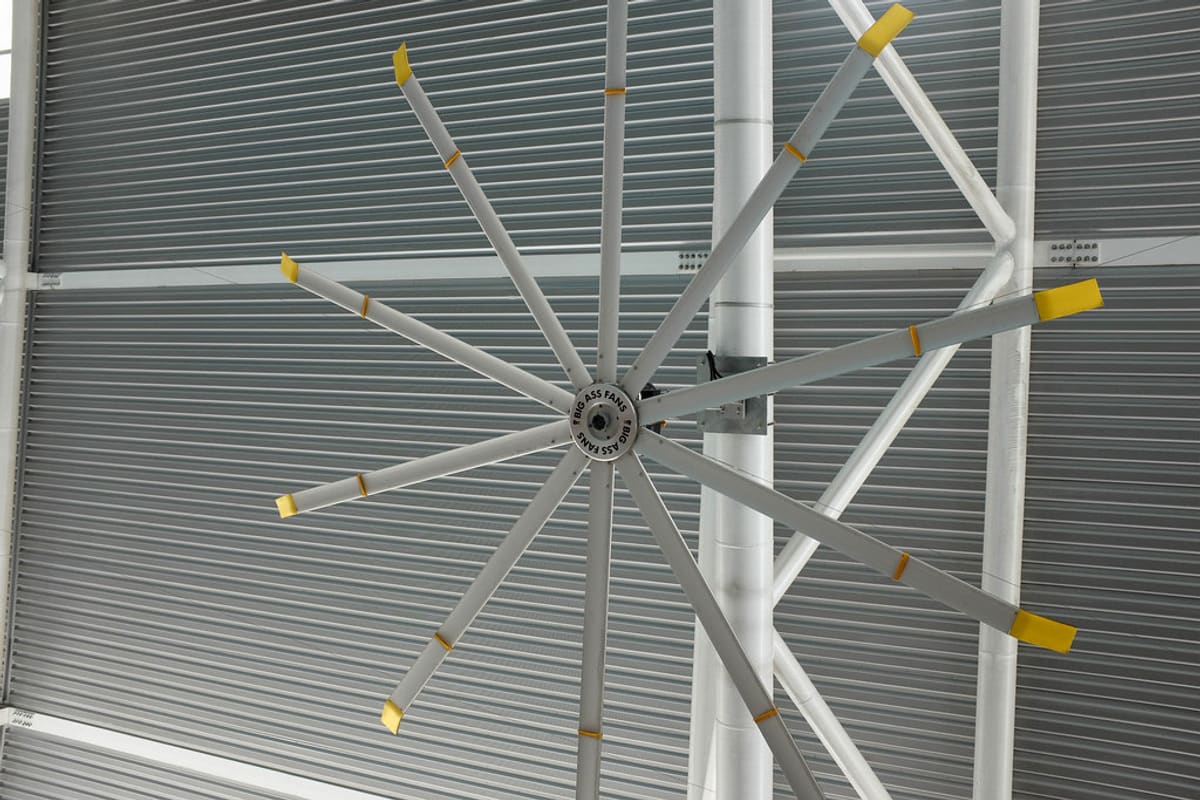
Huge ceiling fan at OCBC Aquatic Centre. Photo: Jnzl's Photos via Flickr, CC BY 2.0.
The first electricity bill after the heat sets in is often a shock. Nothing about the household changed, yet the number of units has jumped. The reason is simple: in summer almost every appliance that cools something, whether it is a room, the air, water or food, runs longer and works harder. The good news is that a handful of settings and habits can take a real bite out of that bill without anyone having to suffer through the afternoon.
Know which appliances use the most
Not every switch matters equally. Turning off a single LED bulb saves very little, while an air conditioner running through the night can use more power than everything else in the home put together. Roughly, from heaviest to lightest in a typical summer home:
- Air conditioners, especially older non-inverter models.
- Electric water heaters, if they are still switched on out of habit.
- Refrigerators, which run all day and work harder when the kitchen is hot.
- Air coolers, water pumps, washing machines and irons.
- Fans, lights, televisions, phone chargers and Wi-Fi routers.
Once you know this order, you can focus your effort where it actually pays off.
Set the AC sensibly
Many people switch the AC on at 18 or 20 degrees hoping the room will cool faster. It does not. The compressor cools at the same rate whatever the setting; a very low number only means it keeps running long after the room is comfortable. A setting of around 24 to 26 degrees feels pleasant for most people, especially with a fan on low, and uses noticeably less power. The Bureau of Energy Efficiency has encouraged 24 degrees as a sensible default for this reason.
- Close doors and windows in the room you are cooling, and draw the curtains during the day.
- Clean or rinse the indoor unit's filters every two to three weeks in peak summer. Dusty filters make the machine work harder.
- Use the timer or sleep mode so the AC switches off or eases up in the early morning, when the outside air is coolest.
- Get the unit serviced before summer starts. Low gas or a blocked outdoor coil quietly raises the bill.
- Keep the outdoor unit shaded if possible, but never cover it or block the air flow around it.
Let the ceiling fan share the work
A ceiling fan uses a small fraction of the power an AC does. Running both together lets you set the AC a couple of degrees higher and still feel cool, because moving air takes heat away from the skin. On many evenings, once the sun has gone down, the fan alone may be enough. If you are replacing an old fan anyway, look at the star rating on the label; newer efficient fans use much less electricity for the same breeze.
Remember that a fan cools people, not rooms. Switching it off when you leave is an easy saving.
Keep the heat out in the first place
The less heat that enters your home, the less work your cooling has to do.
- Close windows and curtains on the sunny side from late morning to evening. Light-coloured or thick curtains help.
- Open windows early in the morning and late at night to let cooler air through.
- If you live on the top floor, a light-coloured or reflective coating on the roof, where your building allows it, can make the rooms below far less hot.
- Plants on a balcony or window ledge give a little shade and make the space feel cooler.
- Cook in the cooler part of the day where you can, and use a lid on pots so food cooks faster.
Look after the fridge
The refrigerator never switches off, so small inefficiencies add up across the month.
- Keep it a few inches away from the wall so heat can escape from the back.
- Let hot food cool to room temperature before putting it in.
- Check the door seal. If a sheet of paper slides out easily when the door is closed on it, the seal may need replacing.
- Do not keep the door open while deciding what to cook.
- Keep it reasonably full, but not so packed that cold air cannot move around.
Small appliances and the standby habit
Summer is the time to switch off the water heater completely. In most parts of India, tap water is warm enough from April to June. Many families also leave it on standby for months without noticing.
Televisions, set-top boxes, microwaves, music systems and chargers draw a small amount of power even when they seem off. A switch board or extension with its own switch lets you turn a whole group off at night. Iron clothes in one batch rather than a piece at a time, since the iron uses the most power while heating up. Run the washing machine with full loads and skip the dryer spin where sunlight can do the job for free.
Read your bill once
Your bill shows how many units you used and how the rate changes as consumption rises. In many states, the price per unit goes up once you cross certain slabs, which is why a summer month can cost far more than the extra units alone suggest. Comparing the units with the same month last year tells you whether your changes are working. If a bill looks wrong, contact your electricity distribution company through the number or app printed on the bill.
Frequently asked questions
What is the best AC temperature to save electricity?
For most homes, around 24 to 26 degrees with a fan on low gives good comfort at lower cost. Every degree lower makes the compressor run for longer.
Does switching the AC on and off often save power?
Not really. Frequent switching can be less efficient than letting the AC hold a moderate temperature. Using the timer or sleep mode is a better way to cut running hours.
Is an air cooler cheaper to run than an AC?
Usually, yes, since a cooler mainly runs a fan and a small pump. Coolers work best in dry heat and need a window open for fresh air. In humid weather they are less effective.
Start with the biggest users
You do not need to change everything at once. Raise the AC setting, pair it with a fan, switch off the geyser and keep the afternoon sun out. Those four steps alone make a visible difference, and the rest can follow as habits.