How to Clean Makeup Brushes and Sponges (and How Often to Do It)
Dirty brushes spread oil, old product and bacteria back onto your skin. A simple guide to washing makeup brushes and sponges at home, drying them properly and knowing when to replace them.
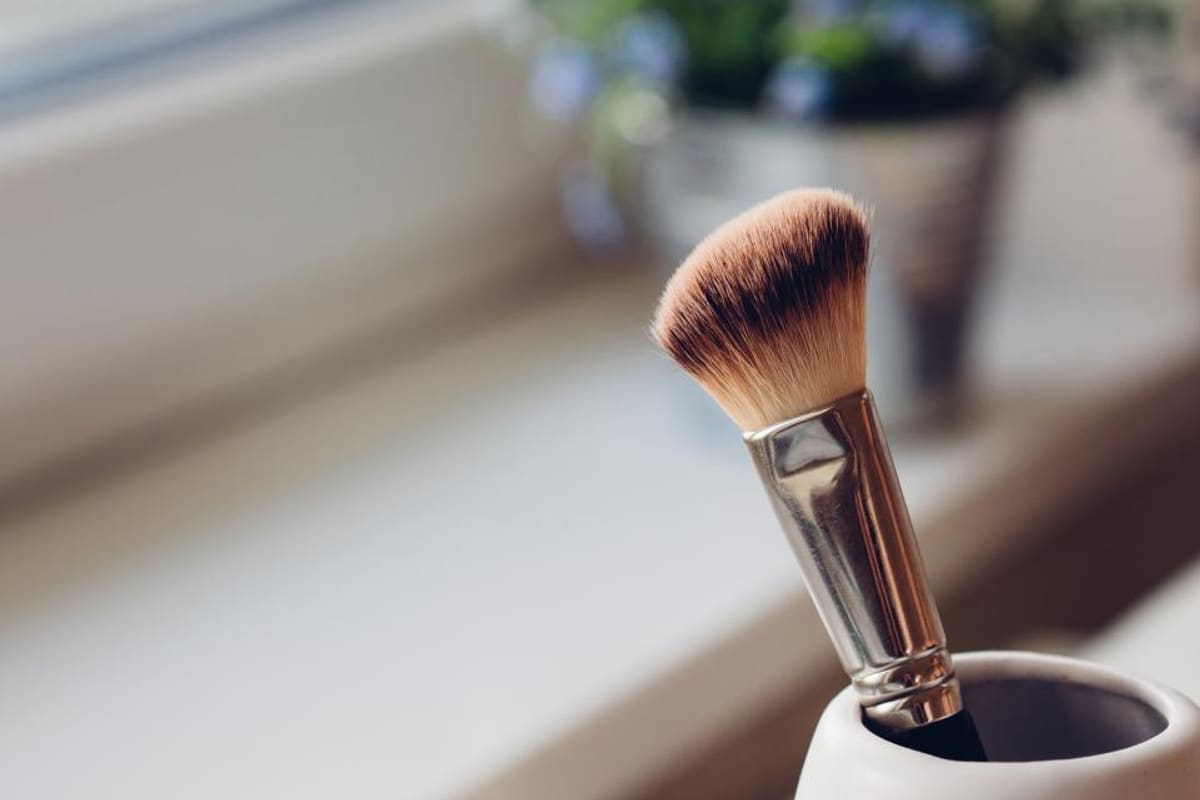
Makeup Brush. Photo: Pawel Kadysz via stocksnap, CC0.
Think about what a foundation brush touches in a week: your skin, its natural oil, sweat, dead skin cells, dust from the dressing table and a layer of old product that builds up in the bristles. In warm, humid weather, that damp mixture is a comfortable home for bacteria. When you use the same brush again, all of it goes straight back onto your face.
Clean tools are one of the simplest things you can do for your skin, and they also make makeup look better. A clogged brush streaks, a dirty sponge leaves patches and old colour muddies new colour.
How often to wash each tool
There is no single rule, but these intervals work well for most people who wear makeup regularly:
- Sponges and blenders: ideally after every use, and at least once a week.
- Brushes used with liquid or cream products, such as foundation, concealer and cream blush: once a week.
- Powder brushes for face powder, blush and bronzer: every two weeks.
- Eye brushes: every week, because the skin around the eyes is delicate and eye infections spread easily.
- Lip brushes: after each use, or wipe them clean with a tissue and wash weekly.
If you wear makeup only occasionally, wash tools after each session so they are not sitting dirty for weeks.
What you need
You do not need a special cleanser. A mild shampoo, a gentle face wash or a plain liquid soap works well. Baby shampoo is a popular choice because it is gentle on natural bristles. Keep a clean towel ready and a bowl of lukewarm water. Hot water can loosen the glue that holds the bristles in place and may damage synthetic fibres.
Washing brushes, step by step
- Wet only the bristles under lukewarm running water, holding the brush with the bristles pointing down.
- Put a drop of cleanser in your palm and swirl the brush gently in circles.
- Rinse and repeat until the water runs clear. Foundation brushes may need three or four rounds.
- Squeeze out excess water with your fingers or a towel, working from the base of the bristles towards the tips.
- Reshape the head with your fingers so it dries in the right shape.
The most important thing is to keep water away from the ferrule, the metal part that joins the bristles to the handle. Water that gets inside softens the glue over time, and the brush starts shedding. That is why you always hold brushes pointing downward while washing.
Washing sponges
Sponges hold much more product and water than brushes, so they need a slightly different approach. Soak the sponge in water until it swells to full size, then work a little cleanser into the stained areas. Squeeze it repeatedly under running water, like wringing a small cloth, until the water comes out clear. A small amount of oil-based cleanser or coconut oil can help loosen stubborn long-wear foundation before the soap wash.
Press the sponge in a towel to remove as much water as you can. Never leave a sponge wet in a closed box or pouch.
Drying them properly
Drying matters as much as washing. A brush that stays damp at the base for days can develop a musty smell and mould.
- Lay brushes flat on a clean towel with the heads hanging slightly over the edge of a table, so air reaches every side.
- Do not stand wet brushes upright in a cup; water runs down into the ferrule.
- Let sponges dry in an open, airy spot, away from direct heat.
- Avoid hair dryers, which can frizz or melt fibres.
Most brushes dry overnight. Dense foundation brushes and sponges can take a full day in humid monsoon weather, so wash them in the evening, a day before you need them.
A quick clean between washes
On busy days, wipe powder brushes on a clean dry tissue or microfibre cloth to remove surface product. This does not replace a real wash, but it keeps colours from mixing and extends the time between deep cleans.
When to replace tools
Good brushes can last for years if they are cleaned and stored well. Replace a brush when the bristles shed a lot, lose their shape, feel rough or still smell unpleasant after washing. Sponges wear out much faster. Most people find they need a new one every three months or so, or sooner if it tears, crumbles or develops stains that do not wash out.
Frequently asked questions
Can I share makeup brushes with friends or family?
It is best not to, especially eye and lip brushes. Infections such as conjunctivitis and cold sores can pass from person to person through shared tools. If you must share, wash the brush first.
Can I use dishwashing liquid?
It will remove product, but it is quite harsh and can dry out natural bristles. A mild shampoo is a gentler everyday choice.
My skin breaks out often. Could my brushes be the reason?
Dirty tools are one possible factor among many, so washing them regularly is worth trying. If breakouts continue or are painful, a dermatologist can help find the real cause.
Make it part of your week
Pick one fixed evening, perhaps Sunday, as brush-washing night. Put on some music, wash everything in fifteen minutes and leave it to dry overnight. It is a small ritual, but your skin and your makeup will both show the difference.