Dark Circles Under the Eyes: What Causes Them and What Realistically Helps
Dark circles are not always about sleep. In many Indian faces they come from pigmentation, genetics or hollows. The real causes, what home care can and cannot do, and when to ask a dermatologist.
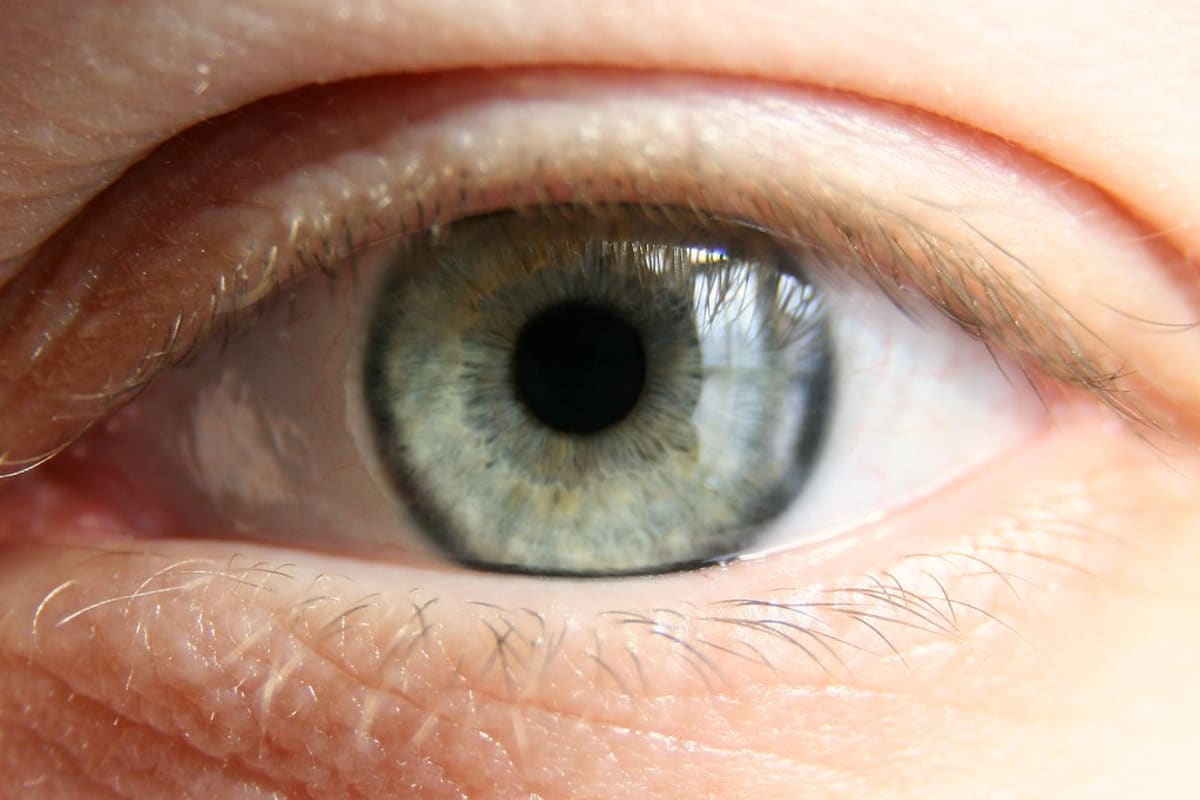
Project 365 #74: 150309 The Eyes Have It. Photo: comedy_nose via Flickr, Public domain.
"You look tired" is a sentence many people hear even after a full night's sleep. Dark circles are one of the most common cosmetic concerns in India, and they are surrounded by confident advice: sleep more, drink water, put cucumber on them, try this cream. Some of that helps some people. But dark circles have several different causes, and the right approach depends on which one you have. It is also worth knowing from the start that for many people they can be softened, not erased.
The main causes
Most dark circles come from one, or a mix, of the following.
- Pigmentation. Extra melanin in the skin around the eyes gives a brown or darker shade. This is very common in South Asian skin and often runs in families. Doctors call it periorbital hyperpigmentation.
- Thin skin and visible blood vessels. The skin under the eyes is among the thinnest on the body. In some people, the blood vessels beneath show through as a bluish or purplish tint.
- Shadows from shape. Some faces naturally have a hollow, called a tear trough, between the lower eyelid and the cheek. Light falls into it and creates a shadow that looks like a dark circle. It becomes more noticeable with age as fat and bone structure change.
- Puffiness. Swelling under the eyes casts its own shadow. It can come from salty food, crying, allergies, sleeping flat or simply genetics.
- Rubbing and allergies. People with allergies, eczema or constant eye itching tend to rub their eyes, and repeated friction darkens the skin over time.
- Sun exposure, which deepens pigmentation anywhere on the face, including around the eyes.
- Lifestyle. Poor sleep, late nights on screens, smoking and dehydration can make any existing darkness look worse, even if they are not the original cause.
Working out which type you have
Stand in front of a mirror in daylight and try two simple checks. First, gently stretch the skin under your eye with a finger. If the colour stays the same, it is likely pigment in the skin. If it lightens or looks bluish, visible vessels may be part of the picture. Second, tilt your head up towards a light. If the darkness mostly disappears, a hollow or shadow is probably the main cause. Brown circles that have been there since childhood, or that are shared with a parent or sibling, are most often genetic pigmentation.
This matters because a cream cannot fill a hollow, and sleep does not remove pigment you were born with.
What home care can do
For pigmentation and general darkness, the most useful habits are also the least exciting.
- Sunscreen around the eyes every morning, applied gently up to the bone below the eye. Sunglasses outdoors protect this area and reduce squinting.
- Stop rubbing. If your eyes itch often, find out why. Treating allergies or dry eyes, with a doctor's help if needed, removes a major source of friction.
- Remove eye make-up gently, pressing a soaked cotton pad rather than scrubbing.
- A plain, fragrance-free moisturiser or eye cream keeps the thin skin comfortable and can make it look smoother.
Some ingredients may gradually soften pigmentation or improve how the area looks: niacinamide, vitamin C, and gentle retinoids used carefully at a low strength. Caffeine in eye products can temporarily reduce puffiness. Results, where they happen, are modest and take a couple of months. Anyone promising a complete change in two weeks is overselling.
For puffiness
- Cool compresses help in the morning. A clean cloth soaked in cold water, chilled spoons or a gel eye mask kept in the fridge for ten minutes all reduce swelling temporarily.
- Cutting back on very salty dinners and alcohol can reduce morning puffiness.
- Sleeping with your head slightly raised on an extra pillow helps some people.
- If puffiness comes with red, itchy eyes, allergies may be the cause.
Cucumber slices and cold tea bags feel refreshing mainly because they are cold. They are harmless for most people, but they will not lighten pigmentation. Avoid putting lemon juice, baking soda or any strong home mix around the eyes, where the skin irritates easily.
Sleep and screens
Sleep does not cure every dark circle, but tiredness makes skin look duller and puffier and shadows more obvious. Aim for regular sleep at roughly the same times, and try to put the phone away some time before bed. If you snore heavily, wake up unrefreshed or have a constantly blocked nose, it is worth mentioning to a doctor, since these can affect both sleep quality and puffiness.
Concealing them well
Make-up is an honest, immediate fix, and there is nothing wrong with using it.
- On medium and deep skin, a peach, orange or salmon-toned corrector under concealer cancels out brown or bluish darkness much better than a light concealer alone, which can look grey.
- Use a thin layer, only where the darkness is, and tap it in with a finger or damp sponge.
- Choose a concealer close to your skin tone, or at most slightly lighter. A much lighter shade creates a pale patch.
- Set with only a tiny amount of powder so it does not settle into fine lines.
When to see a doctor
Dark circles that appear suddenly, darken quickly, affect only one eye, or come with swelling, pain, or tiredness, breathlessness and pale skin should be checked by a doctor. Conditions such as anaemia, thyroid problems, allergies and some skin conditions can play a role.
For long-standing circles that bother you, a dermatologist can confirm the cause and discuss options such as prescription creams, chemical peels, certain lasers or, for hollows, fillers. These treatments have risks and costs, especially on darker skin, which can develop pigmentation after aggressive procedures. They should be done only by qualified dermatologists after a proper consultation, not at a salon offering a quick package.
Being kind to the area
Many people with dark circles have had them all their lives, and they are simply part of how their face looks. Protect the skin from the sun, stop rubbing, sleep reasonably well and use a good corrector on the days you want to. Beyond that, a dermatologist's opinion is far more useful than another expensive eye cream.