Dandruff: What Causes It and Gentle Ways to Manage It
Those white flakes on your shoulders are rarely about a dry scalp or poor hygiene. What really causes dandruff, how to use an anti-dandruff shampoo properly, and when flakes point to something else.

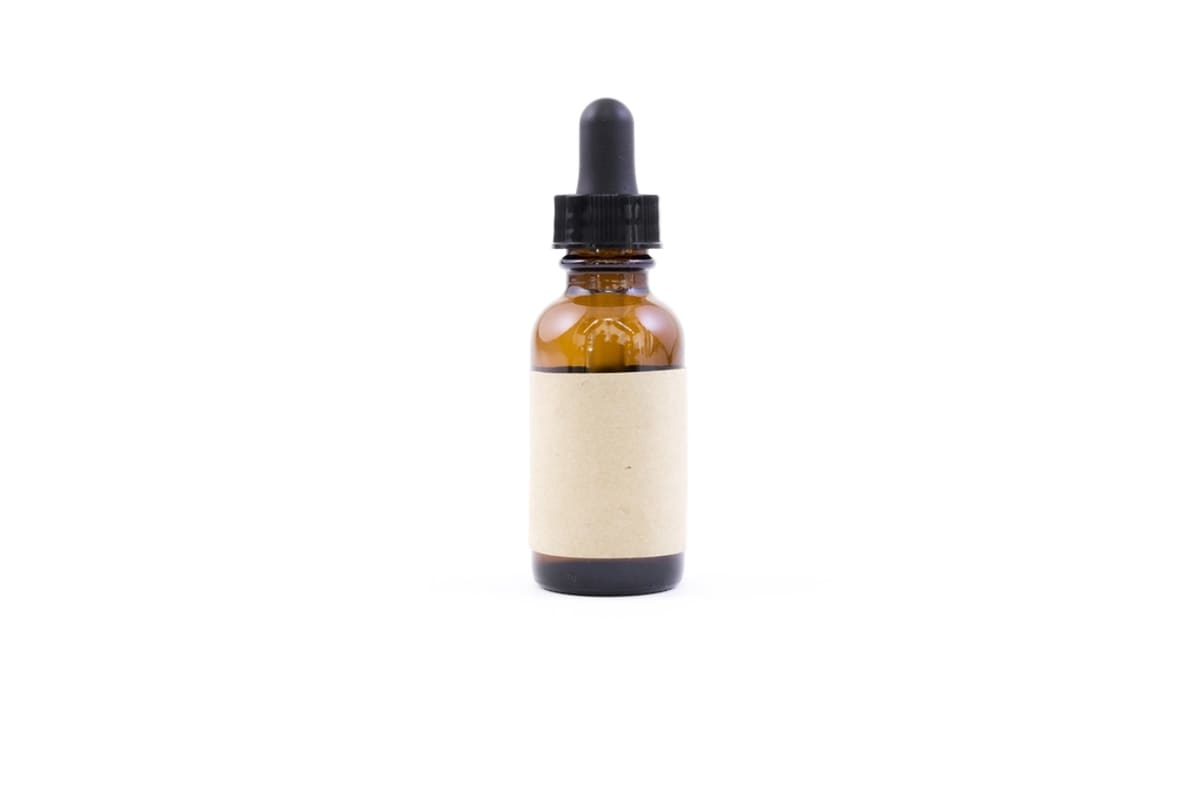
COMM product. Photo: specialwheat via Flickr, CC BY-SA 2.0.
Dandruff has a reputation it does not deserve. People assume it means you do not wash your hair enough or that your scalp is too dry, and so they either scrub harder or pile on more oil. Neither usually helps. Dandruff is extremely common, it is not contagious and it has very little to do with cleanliness. Once you understand what is going on, it becomes much easier to control.
What dandruff actually is
Everyone's scalp sheds skin cells. With dandruff, the scalp sheds them faster and in visible clumps, which show up as white or yellowish flakes, often with itching.
The main driver in most people is a yeast called Malassezia, which lives naturally on the scalp of almost every adult. It feeds on the oils the scalp produces. In some people, the scalp reacts to the by-products of this yeast with mild inflammation, which speeds up shedding. That is why dandruff is often worse on an oily scalp, during hot and humid months, and in times of stress, and why it tends to come and go rather than disappearing for good.
When the flaking is more marked, with redness and greasy scales that also appear on the eyebrows, sides of the nose, behind the ears or on the chest, doctors call it seborrhoeic dermatitis. It is the same process, just stronger.
Dry scalp is a different thing
A dry scalp produces small, fine, powdery flakes and feels tight, especially in winter or after very hot showers. It usually improves with a milder shampoo and less frequent hot water. Dandruff flakes tend to be larger, slightly oily and come with itching. The distinction matters because the fix for one can make the other worse.
Anti-dandruff shampoos: the main tool
Medicated shampoos are the most reliable way to manage dandruff. Look at the active ingredient on the label rather than the brand or fragrance. Common ones include:
- Ketoconazole, an antifungal that reduces the yeast.
- Zinc pyrithione, which has antifungal and antibacterial effects.
- Selenium sulfide, which slows skin cell turnover and targets the yeast. It can discolour chemically treated or light hair, so rinse well.
- Salicylic acid, which helps loosen and lift thick scales.
- Coal tar, which slows shedding, though it has a strong smell and can stain light hair.
How you use them matters as much as which one you use.
- Wet your hair, massage the shampoo into the scalp, not just the hair, and leave it on for about five minutes before rinsing. Many people rinse it off straight away, which gives it little time to work.
- Use it two or three times a week to start, and your regular shampoo on other days if you wash more often.
- Once flakes are under control, many people keep them away with a medicated wash once a week.
- If one shampoo stops working as well after some months, switching to one with a different active ingredient often helps.
- Follow with conditioner on the lengths if the medicated shampoo leaves hair feeling rough.
Does oiling cause dandruff?
Oil does not create dandruff, but it can make it worse. Since the yeast behind dandruff feeds on oils, a thick layer of oil massaged into the scalp and left overnight can give it more to work with. Heavy oiling can also stick flakes together into visible clumps. If you love oiling your hair, keep it to the lengths when your dandruff is active, or apply a small amount for an hour before washing with an anti-dandruff shampoo.
Remedies that often backfire
Lemon juice, raw onion juice, undiluted vinegar, baking soda and strong essential oils are common home suggestions. On an already inflamed scalp, they can sting, irritate and sometimes cause a rash, which only adds to the flaking. Curd and aloe are gentler, but there is limited evidence they control dandruff on their own. If you want to try something at home, patch test it on a small area first and stop if it burns.
Everyday habits that help
- Wash often enough that oil does not build up for days, especially in summer and the monsoon.
- Dry your scalp fully after washing and after getting caught in the rain.
- Rinse out styling products thoroughly; residue can look like flakes.
- Wash combs, pillowcases and caps regularly.
- Try to sleep well and manage stress where you can, since flare-ups are often linked to both.
- Resist scratching, which breaks the skin and can lead to infection.
When flakes may be something else
Not every flaky scalp is dandruff. See a dermatologist if you notice any of the following:
- Thick, silvery, well-defined patches that may extend past the hairline, which can be psoriasis.
- Round patches of scaling with broken hairs or hair loss, particularly in children, which can be a fungal infection needing tablets rather than shampoo.
- A burning, red rash after using a new hair dye or product, which may be an allergic reaction.
- Oozing, crusting, pain or swelling.
- No improvement after four to six weeks of using a medicated shampoo properly.
Frequently asked questions
Can dandruff be cured permanently?
For most people it is controlled rather than cured. The yeast involved is a normal part of the scalp, so dandruff can return, especially in humid weather or stressful periods. Regular maintenance washes keep it in check.
Does dandruff cause hair fall?
Dandruff itself does not usually cause lasting hair loss, but heavy scratching and an inflamed scalp can lead to more breakage and shedding. Treating the dandruff often reduces this.
Is dandruff contagious?
No. You cannot catch dandruff from sharing a comb or pillow, although it is still good hygiene not to share combs.
Managing it, not fighting it
Think of dandruff as something to keep under control rather than a battle to win once. A medicated shampoo used properly, a little less scalp oiling, a dry scalp and regular washing handle the majority of cases. If the flakes persist or look unusual, a dermatologist can tell you exactly what you are dealing with.