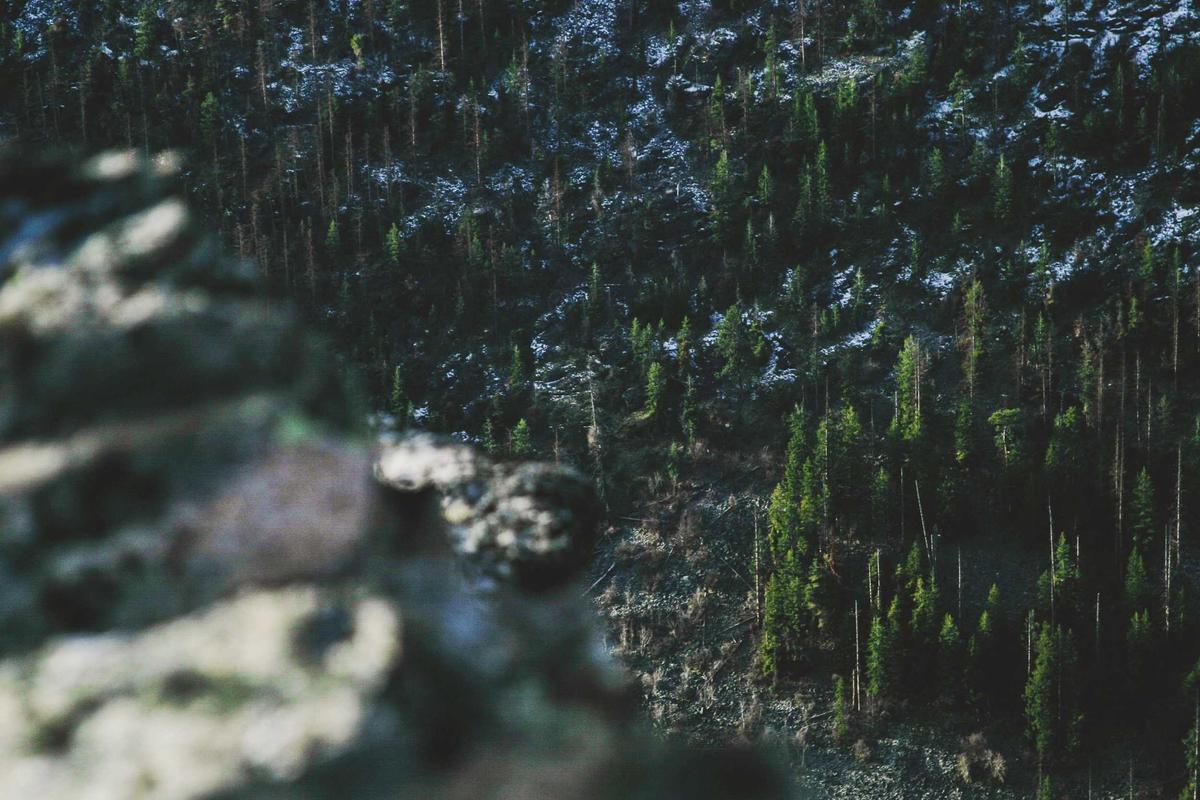
Coorg — also called Kodagu — tucked into Karnataka's Western Ghats, is the place you visit for three days and want to stay in forever. Green mountains, the fragrance of coffee plantations, mist-draped roads, and a peace you had forgotten in the city — Coorg is the reset button every Indian should press at least once.
Coorg is India's Coffee Capital — 30% of the country's coffee grows here. The people here are Kodava — a unique culture with their own language and an unbroken warrior tradition. When you travel here, experience this too.
When to Go — Coorg's Perfect Season
Coorg is beautiful throughout the year but each season offers a different experience. October to March is the best time. The weather is pleasant, mist settles in the mornings and clears by afternoon. Waterfalls are active and crowds are moderate. April–May has some warmth but it is manageable. June–September is monsoon season — heavy rainfall in Coorg, lush green and roaring waterfalls, but trekking is not advisable.
Must-Visit Places — The Best of Coorg
Abbey Falls — Coorg's most iconic waterfall. Water plunges seventy feet through coffee plantations. The best time to go is in the morning — fewer crowds and mist. Nagarhole National Park (Rajiv Gandhi National Park) — natural habitat of tigers, elephants, and leopards. An early morning jeep safari is recommended. Tiger spotting depends on luck but elephants and birds are virtually guaranteed.
Raja's Seat — Coorg's sunset point. This British-era viewpoint offers a panoramic view of the entire valley. Talakaveri — the origin of the Kaveri River. There is a sacred kund (pool) here where water emerges from underground. Along with its spiritual significance it is a beautiful hill trek.
Coorg's Local Food — What You Will Not Find Anywhere Else in India
Coorg's food culture is unique. Pandi Curry (wild boar curry) is the iconic dish of Kodava cuisine. But if you don't eat meat, Kadambuttu (steamed rice balls) with vegetable curry is equally delicious. Coorg coffee — taste the freshly brewed filter coffee here — it is completely different from and much better than what you get in Bangalore or Mumbai.
Coorg honey — wild honey is collected from the plantations here. Whatever you buy — buy directly from local sellers. Better quality and better price. Akki Roti — a rice flour flatbread served at breakfast in the local style with coconut chutney and saagu. Tasting this is a must.
A travel blogger on Coorg"I have travelled across 22 states in India. Coorg is still in my top three. Not because it is the most dramatic — but because it is the most soul-nourishing."
Where to Stay — Plantation Stay vs Hotel
The most authentic way to stay in Coorg is a plantation stay. Family-run plantation homes here host guests. You can go on a plantation tour, try coffee picking, and enjoy home-cooked Kodava food. This is more expensive than hotels but the experience is ten times better.
For budget travellers — decent guesthouses are available in Madikeri town in the 1,000–1,500 rupees per night range. Luxury options — world-class resorts built on plantation properties are available in Coorg — views and amenities are both exceptional.
How to Get There and Get Around
The nearest airports are Mangalore (135 km) and Bangalore (250 km). By road — Coorg is five to six hours from Bangalore via NH275. By train — the nearest major stations are Mysore (120 km) or Mangalore. Local transport — public transport in Coorg is limited. The best option is your own car, rented bike or car, or a hired auto or taxi for day trips.
A three-day Coorg itinerary: Day 1 — Madikeri, Raja's Seat, Madikeri Fort. Day 2 — Abbey Falls, coffee plantation tour, local market. Day 3 — Nagarhole safari, Talakaveri. This covers Coorg's highlights. With five to seven days, further exploration is possible — Iruppu Falls, Brahmagiri Trek, Tibetan Buddhist temple.