I am the kind of person who tries to pack in the maximum on every trip. Five days, eight destinations, twelve activities. An obsession with making every moment 'productive.' So when a travel writer friend said — 'Go to Kerala, book a houseboat, and just float' — I hadn't taken her seriously. What does 'float' mean? In travel? But the seven days she described had something that was pulling at me. So I tried an experiment — one complete trip with no itinerary.
Arriving in Alleppey — And Letting Go of the Plan
Alappuzha — which we call Alleppey — is the part of Kerala where the backwaters are densest. On arriving, one thing struck me immediately — the pace here is different. People were not in a hurry. Autorickshaw drivers stopped and chatted. People sat at chai stalls reading newspapers. This is a rhythm of South India that is fundamentally different from North India — and on the first day this rhythm made me uncomfortable. I thought — 'Nothing is happening here.' By the third day I understood — everything is happening here.
The Houseboat — A Home That Moves on Water
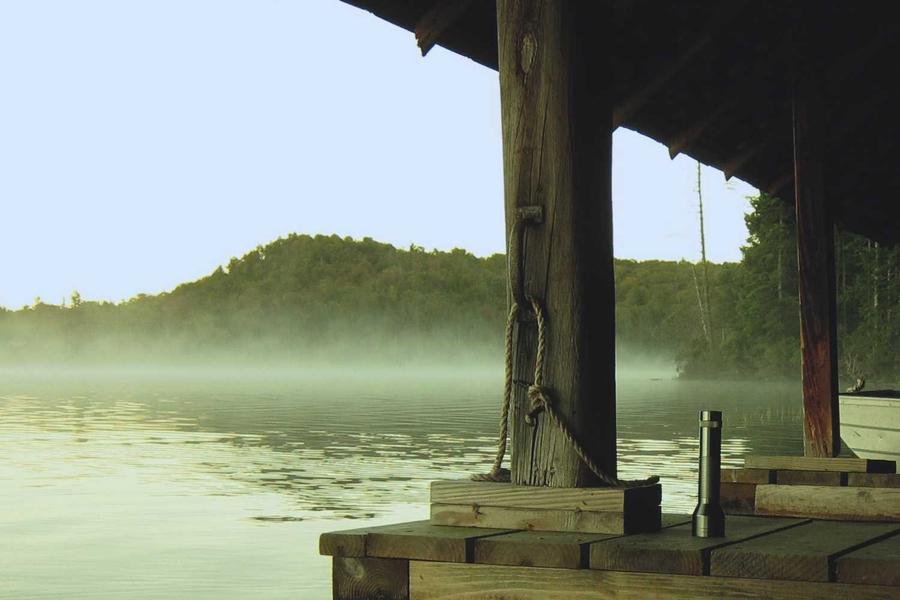
Kettuvallam — Kerala's traditional rice boat that has now become a houseboat — is an experience that cannot be compared to any hotel. We booked a small one-bedroom boat for two nights. There was a cook who made fresh fish and coconut rice in the morning. The boat drifted slowly through the canals — coconut trees leaning over the water, children waving from the banks, an elderly woman selling vegetables from her boat.
What happened on the first night on that boat was unexpected — we went quiet. My husband and I — who are normally on our phones even at home — talked for hours that night. Real talk. Not plans, not worries — just the conversations we normally put off with 'we'll do this later.'
Suresh, the houseboat's cook"These backwaters slow people down. This is Kerala's magic. Those who come here, come in a hurry — and when they leave, they walk slowly. It happens every time."
Kumarakom — Where Birds Make the Morning Alive
I went to Kumarakom Bird Sanctuary at six in the morning. By boat. In complete silence. And then what I heard — that symphony of birds made by thousands of species together — is not available on any Spotify playlist. Painted storks, cormorants, Siberian cranes that travel thousands of kilometres to come here. Looking at that morning one thought came to me — there is so much beauty in this world that we miss because we are busy with our headphones.
Kerala Food — That Makes Every Meal a Ritual
What I loved most about Kerala food was the intentionality of every meal. Sadya served on a banana leaf — which has twenty to twenty-five dishes — is an event, not just a meal. Karimeen Pollichathu — pearl spot fish wrapped and cooked in banana leaf — was a dish I would return to Kerala for.
One day I ate at a local home — the aunty at the homestay made Avial from her mother's recipe. That taste — which you don't find in any restaurant — is what makes travel different from mere tourism.
Kuttanad — Where the Land is Below the Sea
Kuttanad is called both 'The Rice Bowl of Kerala' and 'The Land Below Sea Level' — it is one of the few places in the world where farming happens below sea level. Seeing its fields blew my mind — paddy fields surrounded by water, and an intricate network of canals that makes all of this possible. This is not some big civil engineering project — it is the knowledge of generations.
I spoke with farmers here — some of them were worried. Climate change has increased flooding. The younger generation is moving to the city. This backwater that looks so beautiful to us — the people who sustain it are struggling. This was an uncomfortable realisation — that our paradise is someone else's livelihood.
Rajan, a farmer in Kuttanad"Tourists come by boat, take photos, go away. We live here. We are afraid every monsoon. This beauty is only for looking at — living in it is very hard."
What Slow Travel Taught Me
In that one week I visited exactly four 'tourist spots.' The rest of the time — on the boat, in local markets, at roadside eateries, or just sitting. And that trip was one of my best trips. Why? Because I observed. I noticed. How a fisherman's boat moves. How a mother feeds her child at the canal's edge. What is in an old man's eyes when he looks at the water.
Slow travel is a philosophy. It says — don't consume a place, exist with it. India is so vast, so layered, that if you keep ticking boxes everywhere, you will see a lot but feel nothing. Kerala's backwaters taught me this — and now I keep some 'empty time' in every trip. When there is no plan, that is when the best memories are made.